We Need More Gilmore Girls in Horror
 This is a reprint of the music essay from Issue #84 of Exploits, our collaborative cultural diary in magazine form. If you like what you see, buy it now for $2, or subscribe to never miss an issue (note: Exploits is always free for subscribers of Unwinnable Monthly).
———
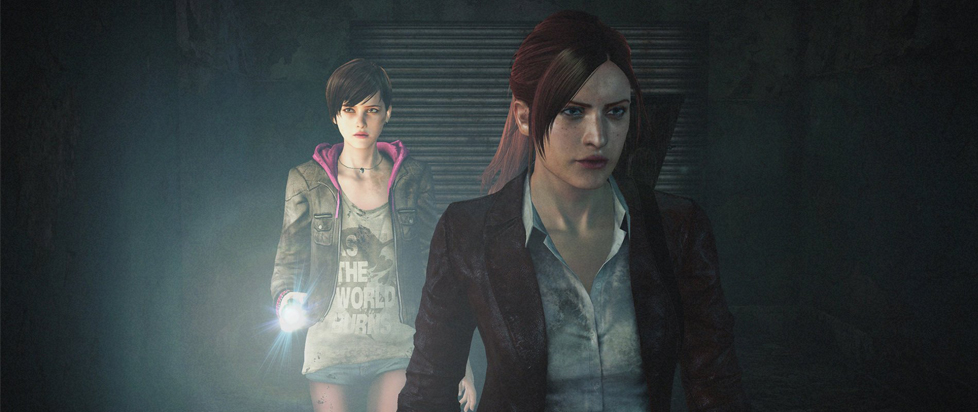
Women in horror have it rough at the best of times. They’re often little more than props for the men to have emotions about. So, you can imagine how refreshing it was when I played Resident Evil: Revelations 2. Capcom made the laudable choice to tell a more nuanced story about women and girls working together across generations to grow beyond their trauma. For a game all about trying not to succumb to fear, it makes the respective journeys of Claire and Moira unexpectedly hopeful.
In fact, their story of generational struggles and cycles of self-destruction oddly parallel to none other than my mother’s fondest fixation: Gilmore Girls. See, in Gilmore Girls, the titular Gilmores are young Rory and her mother Lorelei. Lorelei had her daughter at sixteen and chose to make a life for herself as a maid at a local inn rather than live under her toxic rich parents. Lorelei endures a great deal of hardships so that her daughter gets to be her own person. She shoulders a great many pains for her daughter, much like Claire Redfield finds herself doing for Moira.
When Moira Burton was a little girl, she broke into her father Barry’s gun cabinet. She accidentally shoots her sister as Barry finds them. He initially blames Moira, and they become estranged. Moira refuses to hold another gun, which sees her years later volunteering for the same global aid agency as Claire.
By this point, Claire’s in her thirties, having survived multiple outbreaks. With Moira, she sees another girl in the same position she once was – directionless and scared. She becomes the mentor she’d wished for then. This is embodied quite viscerally by Moira being playable purely in a support role with her flashlight and a lead pipe. You have to swap between them both to solve puzzles, stun enemies for melee attacks and juggle inventory. They’re a team, like Lorelei and Rory.
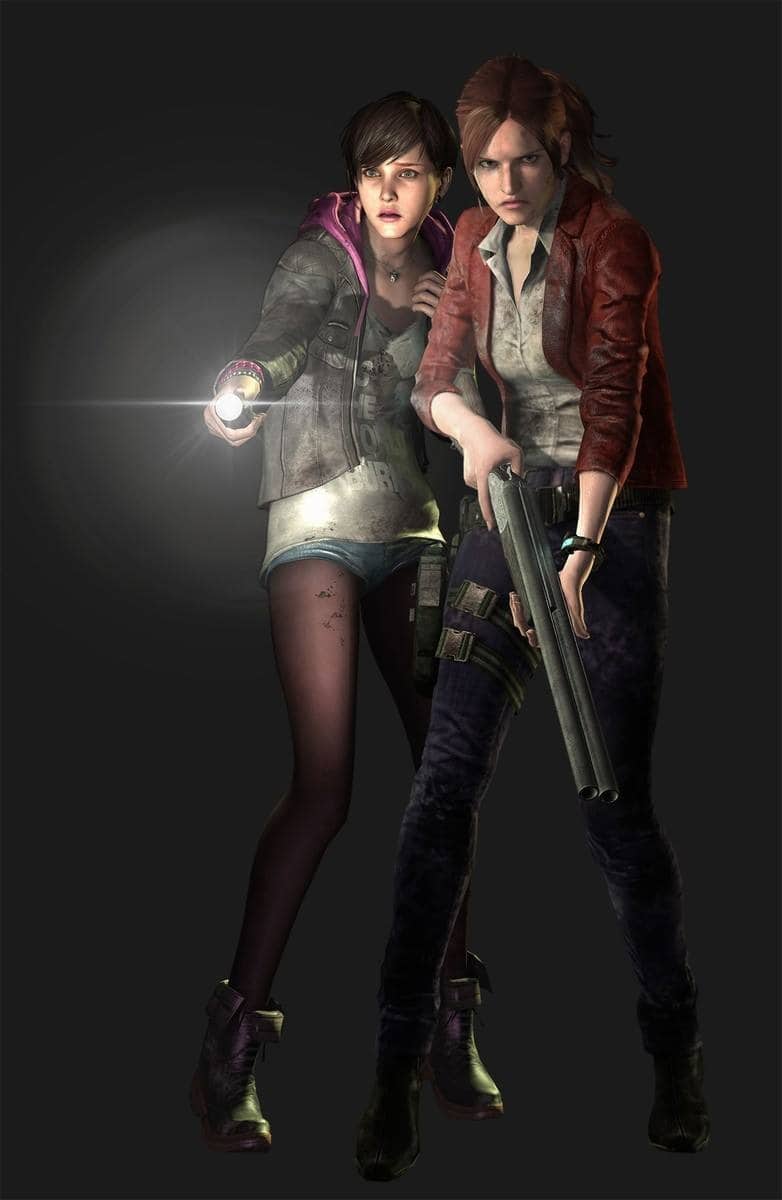 And like Lorelei and Rory, at a certain point, shouldering everything isn’t the answer. Much as we want to protect those we love forever, they have to grow up. For Lorelei and Rory, Rory gives in to the temptation of her richer relatives, only to realize how far she’s strayed from herself. Rock bottom for Moira, meanwhile, sees her facing down Claire’s former boss, now a giant bioweapon. He has Claire pinned down, and the player has to decide. If you keep playing as Claire, ensuring Moira doesn’t have to pick up Claire’s gun, then it’s an immense struggle that results in Moira dying.
Yet if Claire encourages Moira and the player swaps over to her. Moira gets a satisfying one-liner, defeats a mansplaining idiot who nearly doomed the world and survives. The weapons that once traumatized her, the enemies that attempted to victimize her – she overcomes it all thanks to the guidance and encouragement of Claire. She even finally reconciles with her father, who ventures across an entire second campaign trying to find her.
It’s still a harrowing journey. There’s a great deal of heartache for both Claire and Moira, yet it also doesn’t end in edgelord nonsense. I actually remember back in the day, playing The Last of Us for the first time and wondering, “Why isn’t Tess the one to go on this journey with Ellie? She has far more to teach her than Joel does.” And then, a mere year later, Revelations 2 demonstrates what that could’ve looked like. If a game with a fraction of the budget can offer a more meaningful message, I’d say it’s worth taking a note out of Revelations 2’s book. More women supporting each other while kicking zombie ass.