Do Betting Systems Like Martingale or Fibonacci Actually Beat the Casino?
You feel compelled to support great writing…

A good pattern is very satisfying. The Fibonacci sequence can be found in the most unexpected things. People probably thought, “Hey, this might work at the casino too”. If you add the Martingale system to that, you have two of the most popular ways to bet ever. But this is the real question. Do they actually work?
Let’s break this down honestly. No fluff. No false promises.
The Martingale: Simple, Bold, and Familiar
The Martingale system is about as straightforward as it gets. You place a bet. If you win, great. If you don’t, you double your next bet. The logic? One win erases every previous shortfall and leaves you up by one unit.
Sounds clean on paper. And for a few rounds, it genuinely feels like it’s working. You stack small wins and start thinking you’ve cracked the code. But it might not just be as simple as it looks. If you want to test how this betting system works, a social casino is the most solid way to learn how the Martingale system behaves without putting anything real on the line.
But math has a way of being stubborn sometimes. Let’s say you start with a $10 bet. After eight consecutive unfavorable outcomes, your next required bet jumps to $2,560. Your total outlay at that point? Over $5,000. All that to recover your original $10 unit. The whole thing turns upside down pretty fast. Table limits will stop you before you get there tho. Most tables cap somewhere between $500 and $1,000. The system physically breaks when it meets a ceiling.
Fibonacci: The “Gentler” Cousin
The Fibonacci approach uses the famous number sequence: 1, 1, 2, 3, 5, 8, 13, 21, and so on. Each number is the sum of the two before it. After an unfavorable result, you move one step forward. After a favorable one, you step back two places. It feels more measured and intellectual. And the numbers do go up more slowly than they do with Martingale. A Fibonacci player needs about $210 on the table after eight bad rounds with a $10 base. Meanwhile a Martingale player needs $2,560. That’s a big difference. “Slower” doesn’t mean “safe”. It just means that the road is longer.
The Part Nobody Wants to Hear
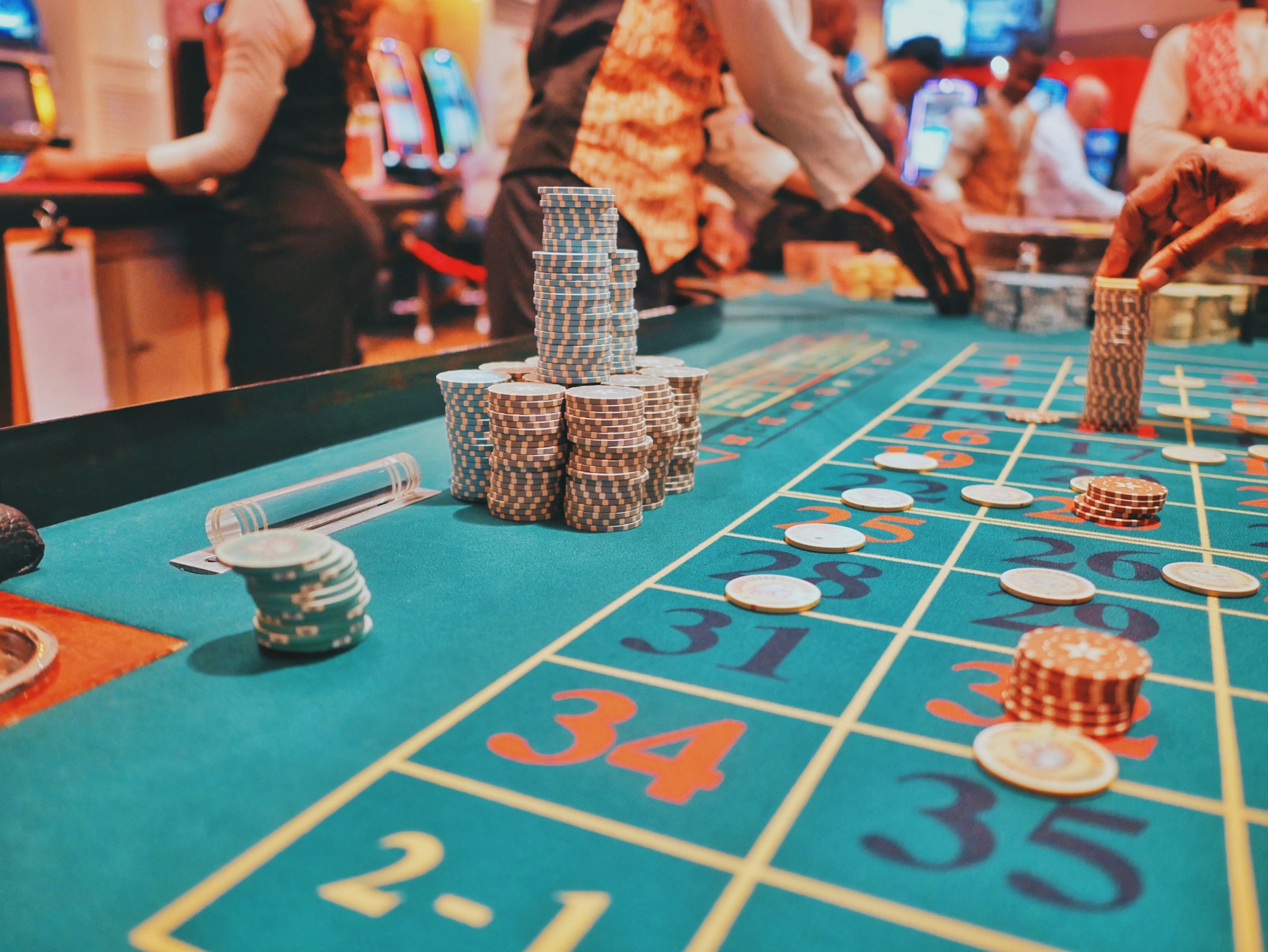
Here’s the thing both systems share. The math behind any game doesn’t change with either one. The house always has the same built-in advantage. No matter how many spins of the wheel or hands dealt. The house edge on European roulette is about 2.7%. American roulette goes up to about 5.26%. No sequence of numbers, however elegant, alters that percentage.
Betting systems rearrange how you experience wins and favorable streaks. They change the shape of your sessions, not the expected outcome. You might collect many small wins followed by one painful drop. Or you might grind through a longer, slower version of the same arc. Either way, the math doesn’t budge.
So Why Do People Still Use Them?
Because they add structure. And structure feels good.
It’s better to walk up to a table with a plan than to place random. Systems give decisions a structure that helps them stay organized. They can make sessions last longer and be more interesting. That has real value, but not mathematical value.
This is how to look at it. A workout plan won’t change the laws of physics, but it will help you stay on track. Betting systems work similarly. They’re organizational tools, not magic formulas.
What Actually Matters
If you want to learn more about casino, there are a few things that help.
Choose games with a smaller house edge. European roulette over American. Blackjack with solid basic strategy. These choices make a real difference in how your sessions play out.
Before you start, set a limit for the session. Stick to what you’re comfortable with. That single habit does more than any system ever could. And maybe most importantly, treat it as entertainment. The best players aren’t searching for a guaranteed formula. They enjoy the experience for what it is.
The Bottom Line
The Fibonacci and Martingale systems are very interesting. They are based on real math. But they solve a different problem than most people think. They organize your approach. They don’t rewrite the odds.
The house edge is baked into every game. No pattern of bet sizing can undo that. What these systems can do is make your time more structured and, honestly, more fun. Just don’t confuse structure with certainty.
Enjoy the patterns. Appreciate the math. Play with a plan and a smile. That’s the real winning move.