A Romance Book Is Not an Instruction Manual
You feel compelled to support great writing…

 This is a reprint of the feature essay from Issue #97 of Exploits, our collaborative cultural diary in magazine form. If you like what you see, buy it now for $2, or subscribe to never miss an issue (note: Exploits is always free for subscribers of Unwinnable Monthly).
———
On Scapegoating Women’s Fiction for Bad Reading
The discourse surrounding toxic romance operates on a fundamental misunderstanding: it treats fiction as prescription rather than representation. When readers consume romance novels as instruction manuals for relationships, they reveal a deficit in critical literacy that has existed for a while before they open the book. The problem lies not in what authors write, but in what readers bring to the text.
Fiction assumes a baseline interpretive competence. It assumes readers can distinguish between depicting toxicity and endorsing it, between showing violence and celebrating it, between representing dysfunction and recommending it as aspiration. When that distinction collapses, when readers mistake description for instruction, the failure belongs not to the book, but to everything that preceded the reading experience.
Consider what this collapse reveals. Comprehensive emotional education remains absent from most curricula. Schools teach algebra and chemistry but provide no framework for recognizing manipulation, coercion or emotional abuse. Controlling behavior in real relationships remains so normalized that fictional representations appear romantic rather than alarming. Gender socialization teaches women to interpret suffering as proof of love, to mistake jealousy for devotion, to read domination as protection. These patterns exist independently of any novel.
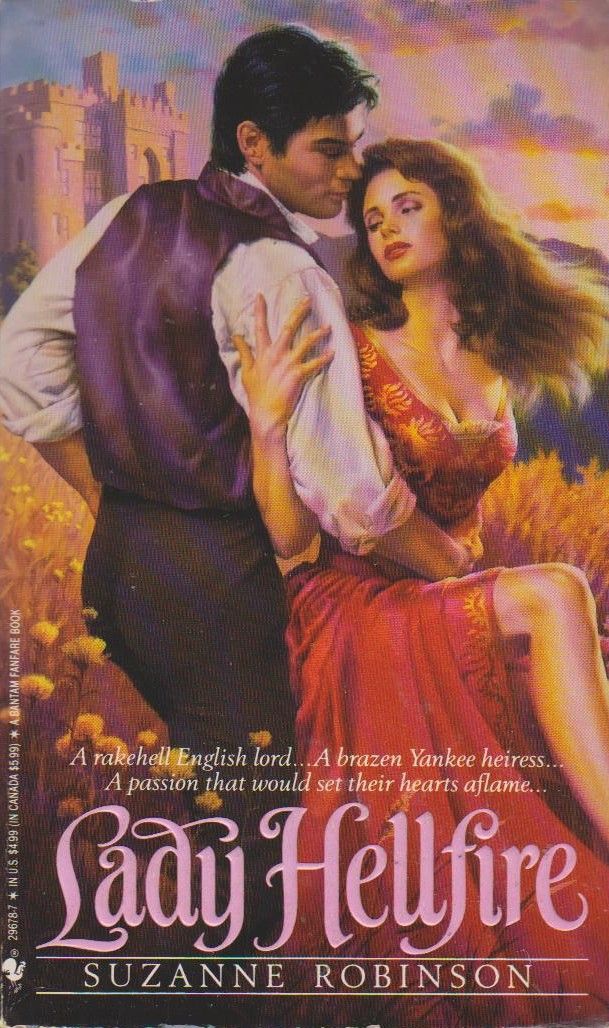 Romance fiction attracts disproportionate blame precisely because pathologizing women’s reading habits proves easier than confronting structural failures. Blaming books for relationship dysfunction obscures the absence of comprehensive sex education, the normalization of gender violence in mainstream media, the persistence of misogyny in dating culture, and the systemic refusal to provide young people with tools for understanding consent, boundaries, and healthy attachment.
The scapegoating follows a familiar pattern. Women’s cultural production bears responsibility for compensating every institutional failure simultaneously. Romance novels must teach consent because schools refuse to. They are supposed to model healthy relationships because parents avoid the conversation. They must counter toxic masculinity because culture actively reinforces it. When they fail to perform this corrective labor perfectly, they face accusations of causing the very problems they were never responsible for solving.
Meanwhile, action films glorify revenge violence without similar scrutiny. Thrillers normalize surveillance and stalking as romantic persistence. Comedies treat boundary violations as charming. These genres escape the demand that they function as moral instruction because they target male audiences, and culture does not hold men’s entertainment responsible for teaching basic human decency.
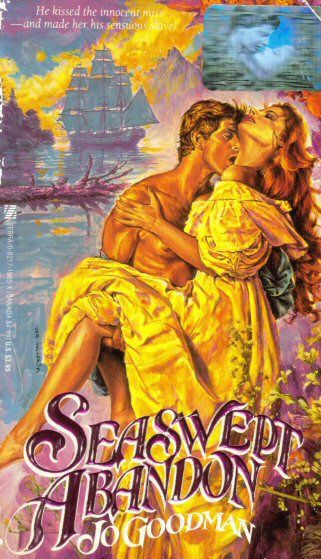 The panic around dark romance says more about discomfort with female desire than about what women actually do with it. Readers who enjoy morally ambiguous antiheroes aren’t auditioning them for real life – they’re extracting the emotional intensity while rejecting the behavioral blueprint entirely. When a reader lacks this critical distance, when she mistakes fictional representation for an aspirational model, the failure originates not in the book itself but in the absence of frameworks for distinguishing between the two. The novel exposed a literacy gap that already existed. Assuming women can’t tell the difference reveals more about cultural anxiety than about fiction. Blaming romance novels lets everyone avoid the harder questions: why do so many people still lack frameworks for recognizing abuse, why does mainstream culture keep romanticizing jealousy and control in relationships sold as aspirational, and why are we still not teaching consent until something goes wrong?
Fiction cannot compensate for systemic failures in education, parenting, and media literacy combined. Romance novels were never meant to function as relationship manuals, consent curricula, or abuse prevention programs. Demanding they perform that labor while simultaneously pathologizing them for depicting the messy realities of desire, power, and human connection creates an impossible standard designed to fail.
The problem was never the books. The problem remains with everything culture refuses to teach before readers ever open them.