I Can’t Stop Thinking About Pathologic 2
Visit the MIT Press shop
This column is a reprint from Unwinnable Monthly #196. If you like what you see, grab the magazine for less than ten dollars, or subscribe and get all future magazines for half price.
———
Here’s the Thing is where Rob dumps his random thoughts and strong opinions on all manner of nerdy subjects – from videogames and movies to board games and toys.
———
Talking about Pathologic 2 more than six years after its release – and a whopping 20 years after the original came out – sure does feel silly. There are already tons of hours-long video essays praising these games, in addition to probably millions of words being collectively written about them and now those numbers are ballooning even more with the recent launch of Pathologic 3. Yet here I am, adding my voice to the cacophony several years too late and with nothing inherently new to say. Here’s the thing, though: I don’t care about all of that, because ever since I finally clicked with Pathologic 2 I haven’t been able to stop thinking about it. And I’m only about a third of the way through it at the moment.
For the unfamiliar, this sequel isn’t so much a sequel as it is a remake or reimagining of one third of the original 2005 game. Sound confusing? You don’t know the half of it. By most accounts that first release was incredible, but also severely hampered by some very rough elements that made it extremely unapproachable. Hence Pathologic 2, which revisits one of the original’s three protagonist stories and dresses everything up with a lot more polish and just as much – if not more – of the surreal weirdness veteran players are likely to expect.
The broad strokes idea behind the goings on is that a surgeon named Artemy Burakh is returning to the rural, nebulously European town he grew up in after spending quite some time abroad studying contemporary medicine. Everything goes pear-shaped right before he reaches his destination, and suddenly the entire town thinks he’s a murderer. But then things get really complicated as an extremely lethal plague breaks out and Artemy (along with a few other side characters) has to figure out how to stop it. Or die trying. Or have everyone else die trying. It’s bleak, is what I’m saying.
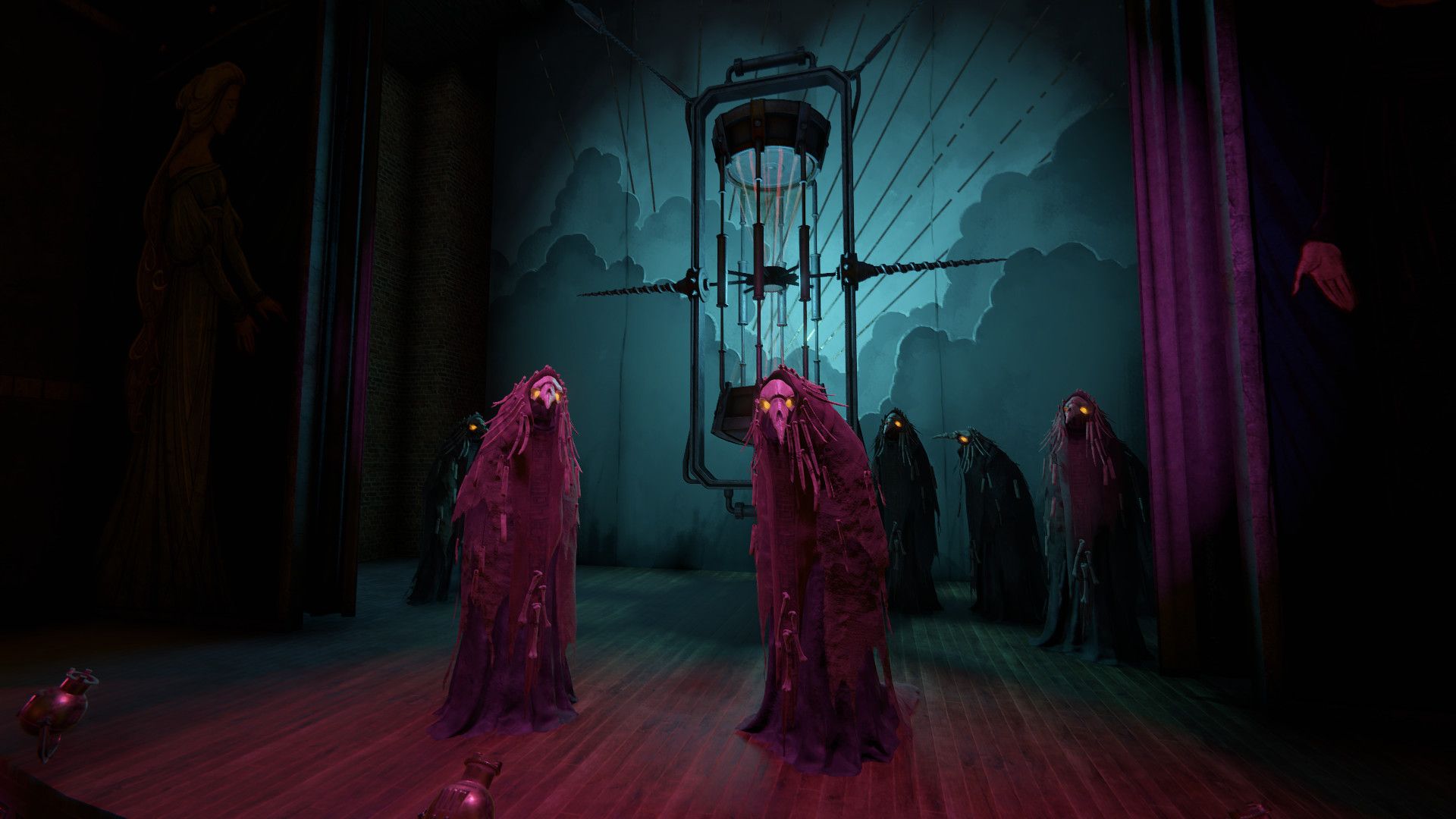
All of that is just the preamble, though. The real reason Pathologic 2 has thoroughly burrowed into my consciousness is how well it manages to interweave its presentation (visuals and audio), overarching plot, themes, atmosphere, gameplay and vibes. Calling it “incredible” feels like underselling it, honestly.
Pick a Pathologic (the original, the sequel or the new release) and “unrelenting difficulty” or similar descriptors are likely to come up often. And yeah, Pathologic 2 is one of the most sadistic games I’ve ever played in my life. Coming from someone who previously went on a tear about how much I loathe “difficulty” it probably makes my interest seem contradictory, but this is a different brand of difficulty than obnoxious frame-perfect timing with complex button inputs. It’s more of a “life isn’t fair” approach, which when considering the setting and plot feels very appropriate.
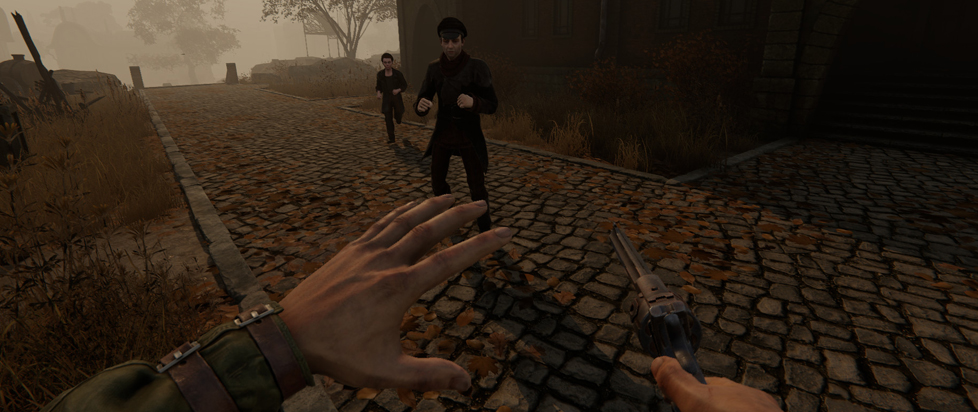
There are lots of survival mechanics that need to be juggled in order to keep Artemy alive. If he gets too hungry, too thirsty or too exhausted, his health will start to decline. If he runs too much, he’ll get thirsty faster. If he drinks unclean water (which gets much tougher to come by as the game progresses) he might get sick. If he gets sick, he probably won’t be able to cure it – or at least won’t be able to for quite some time. If he gets attacked by a mugger in the streets at night, or picks the wrong fight, he might die. But death only makes things worse, because while the game will plop you back at your last (manual) save point, this comes with a penalty (ex: reduced maximum health). And the effects will stack, so the more Artemy succumbs the tougher things are going to get.
This is something that should piss me off and cause me to drop Pathologic 2 in favor of a less frustrating game, but it only makes it more difficult to put down. You see, the game is designed to hurt you, yes. The deck is undeniably stacked against you at all times, except in the very early game where it intentionally lulls you into a false sense of security as you start to believe the rumors of its difficulty were exaggerated or that maybe the hours you spent watching videos on the first game prepared you (I promise you they did not).
However, there are also loads of little things like mechanics that might not have been spelled out for you, blink-and-you’ll-miss-it dialog hints or small stashes of helpful items to find if you dare to take the time to explore off the beaten path. None of these will make the game less brutal, but they give you more of a fighting chance. But it’s only ever just enough to take the pressure off for a few moments.
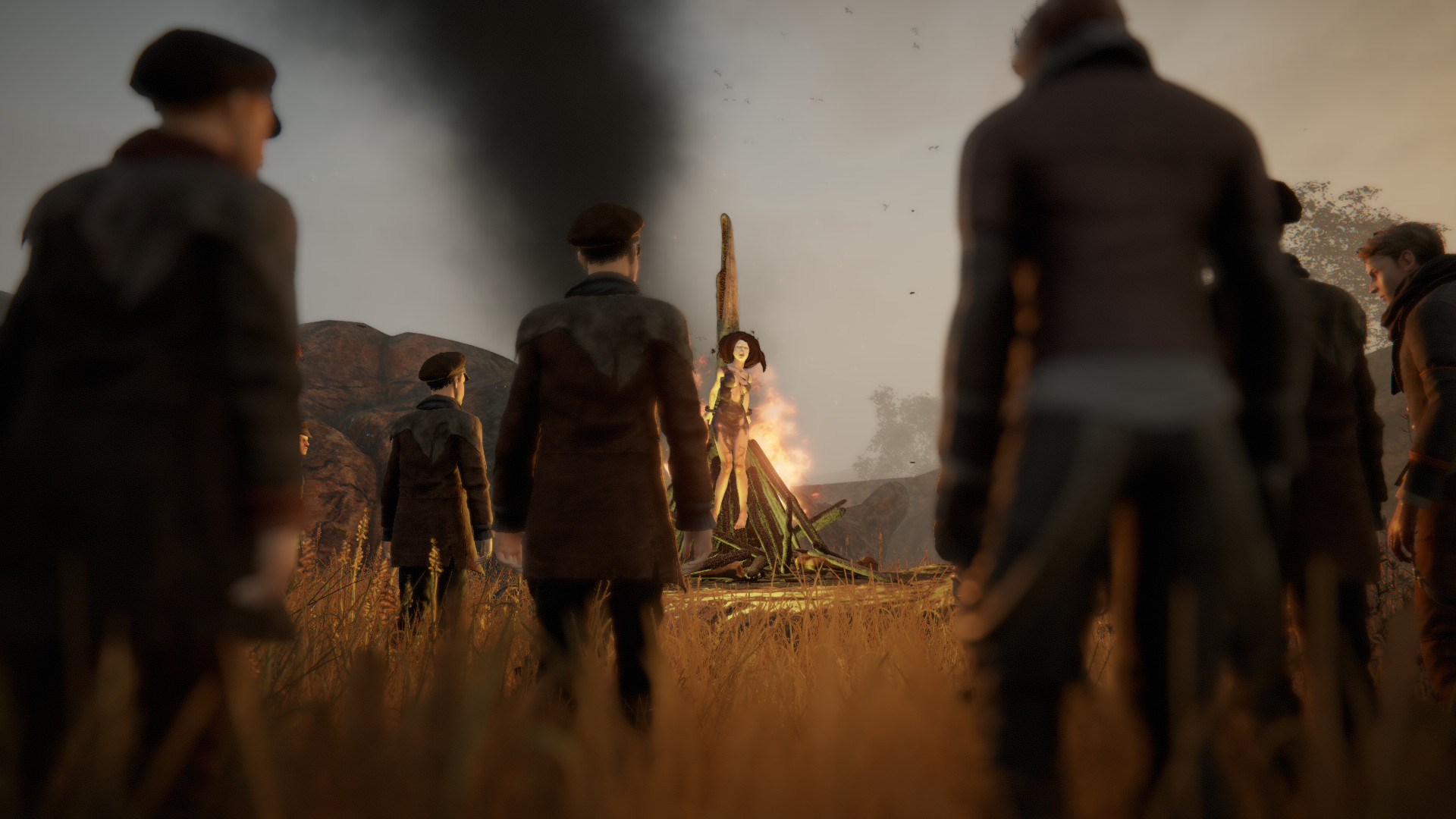
It’s that constant pressure – of surviving, ever progressing time, tasks that won’t wait for you but also won’t tell you how long you have to complete, trying to figure out remedies and cures, deciding who (if anyone) to try to save and so on – that weaves such a captivating experience. And I say that as someone who intentionally tries to avoid using the word “experience” when talking about games. But the desperation Pathologic 2 makes you feel is such a big part of everything, and is so deeply ingrained in all of those other gameplay elements, that it’s hard to think of it as anything else.
If, say, you’ve ever played a Resident Evil game and stumbled upon some ammo when you desperately needed some, you might have a vague idea of what it’s like to play Pathologic 2. One particular example that comes to mind is an event I sought out on… I think it was day three? I was barely holding things together with Artemy in the process of starving to death, but I also needed to collect herbs and I figured it was in that general direction so I might as well attend. After a bit of walking and a brief conversation, the event was over and I ended up with two large and very filling food items.
The sheer (but brief) joy I felt, knowing that hunger wasn’t going to be a problem for the immediate future wouldn’t have felt anywhere near as exciting if I hadn’t been made to struggle so thoroughly in the hours leading up to this moment. And the kicker is that this wasn’t a foregone conclusion. The game didn’t plan to have things play out in this manner. If I had ignored the event by choice (because you never know exactly what will happen whenever you complete one of these things) or simply hadn’t gotten there in time, it wouldn’t have happened at all, I’d have missed out on some literal life-saving food and I’d have been none the wiser.
There is so much more I want to geek out about here, but there’s both too much for a single regular-sized article and probably tons more I haven’t even discovered yet. Pathologic 2 is a game that wants to push you and test you, the player, but it does so in ways that are far more compelling than reaction-based button bashing. Do you think you can get to the end with a clean conscience (either in-game or you yourself, or both)? Good luck. It might not be impossible, but there are undoubtedly going to be moments when you at least contemplate doing something desperate for the sake of survival.
Hell, I might not have murdered anyone in a dark alley in order to rob them and harvest their organs for extra cash, but I’m only like a third of the way through the game and I can already imagine why someone else behind the controller might take that step eventually. That doesn’t make it right or good, of course, but the fact that a videogame can make me think about these kinds of dilemmas on both a moral and mechanical level is utterly fascinating. tldr: You should play Pathologic 2. We all should.
———
Rob Rich is a guy who’s loved nerdy stuff since the 80s, from videogames to Anime to Godzilla to Power Rangers toys to Transformers, and has had the good fortune of being able to write about them all. He’s also editor for the Games section of Exploits! You can still find him on Bluesky and Mastodon.