Seeing Distance, Hearing Warmth in The Longest Road on Earth
Visit the MIT Press shop
So many of our choices and horizons are a result of the simple geographical fact of where we are born. How we get around and where we can go depends on the politico-ideological context of our progenitors which creates the material conditions of the present in which we struggle. Whether we zoom in to the specific life of one person or zoom out to the tectonic shifts of history and globalization, movement and mobility shape the possibility of conflict, solidarity, and resistance. Spread across long distances or contained within set borders, how we are able to move matters.
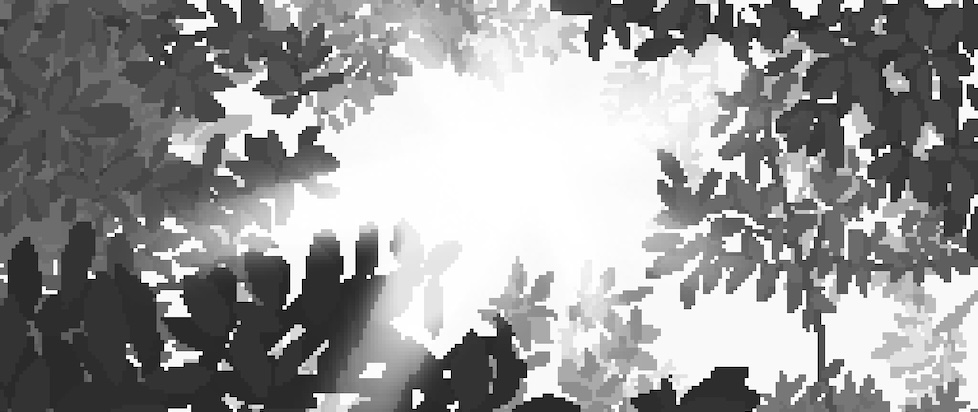
Grappling with the concept of movement, across time and between different spaces – of work, of rest, of play, of change – is the central tension explored in independent Madrid-based studio Brainwash Gang’s The Longest Road on Earth. The possibility of sharing our lives with each other, seeing ourselves in the struggles and joys of another, depends on the methods and means of our movements. Through digital vignettes of ordinary moments, the game – which is as much a pixelated visual album as it is an interactive art installation – confronts us with questions surrounding the experience of traversal: what intervenes, what mediates, and what fosters a connection.
Our interactions are restricted to walking, witnessing, and waiting, relying on Beícoli’s original soundtrack to imbue the fragmented scenes with a sense of vitality. The score humanizes the experiences of each character through the range and sincerity of her compositions. The following reflections attempt to communicate the powerful breadth of ideas this small game about walking in someone else’s shoes is able to evoke.
Side A
“We’re running out of time,
It’s a touch, it’s a cigarette,
It’s the wind blowing through your hair,
It’s the things that you tell yourself”– Beícoli, It Is
How can we measure a moment when our experiences of repetition shape our perceptions of time? Time spent working and time spent wandering; there is inevitably an asymmetry in our memory. In retrospect a fleeting act of defiance can feel like forever while the fulfillment of an obligation can barely be recalled, even if in the moment, the banal routine seems to last far longer.
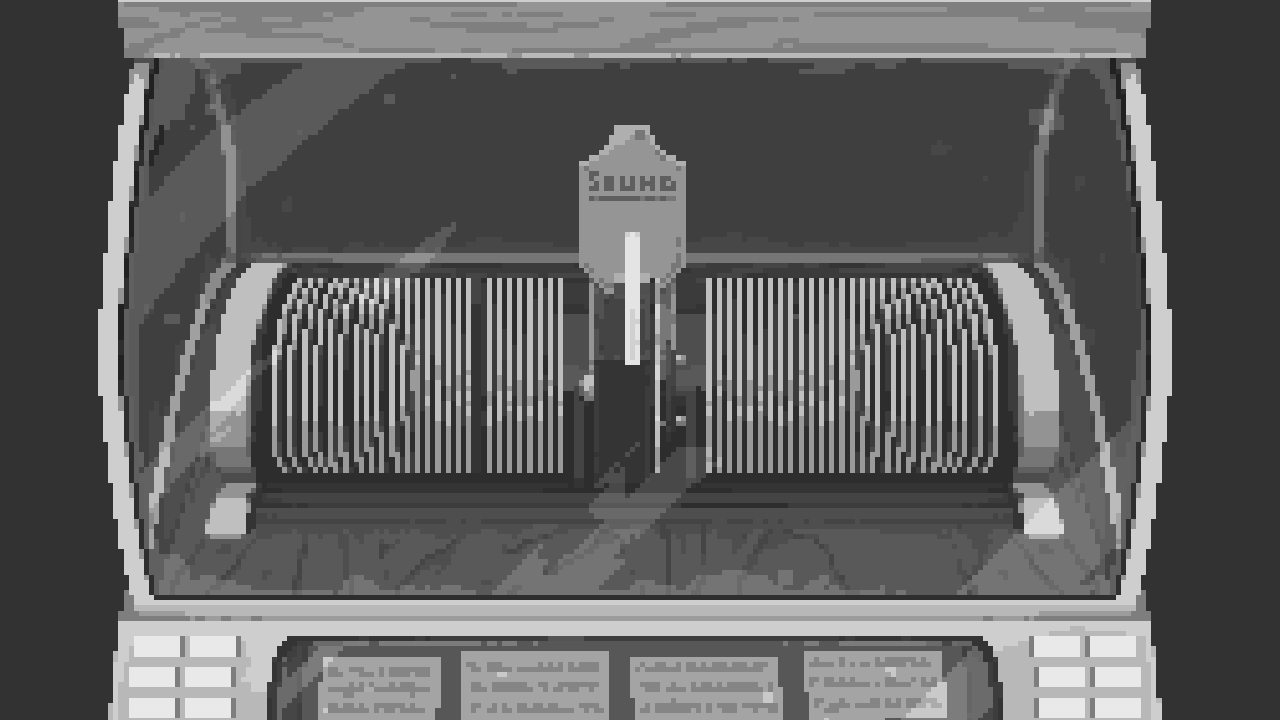
The cliché we often hear of rural life – that things move slower – has a kernel of truth to it. There is something deliberate to even the most mundane actions when moving between places is far from immediate. If the speed and overstimulation of modern city life aren’t omnipresent, space opens up for a more tactile relation to ordinary motions, making those rare breaks even more bewildering, wonderful, and free.
Riding a bike through a field of flowers, taking the train to new destinations… there is a novelty to be appreciated when time is spent, or granted, to be present with oneself.
Side B
“And even though you say,
I am a prisoner of my dreams,
I’d rather die a dreamer”– Beícoli, The Dreamer
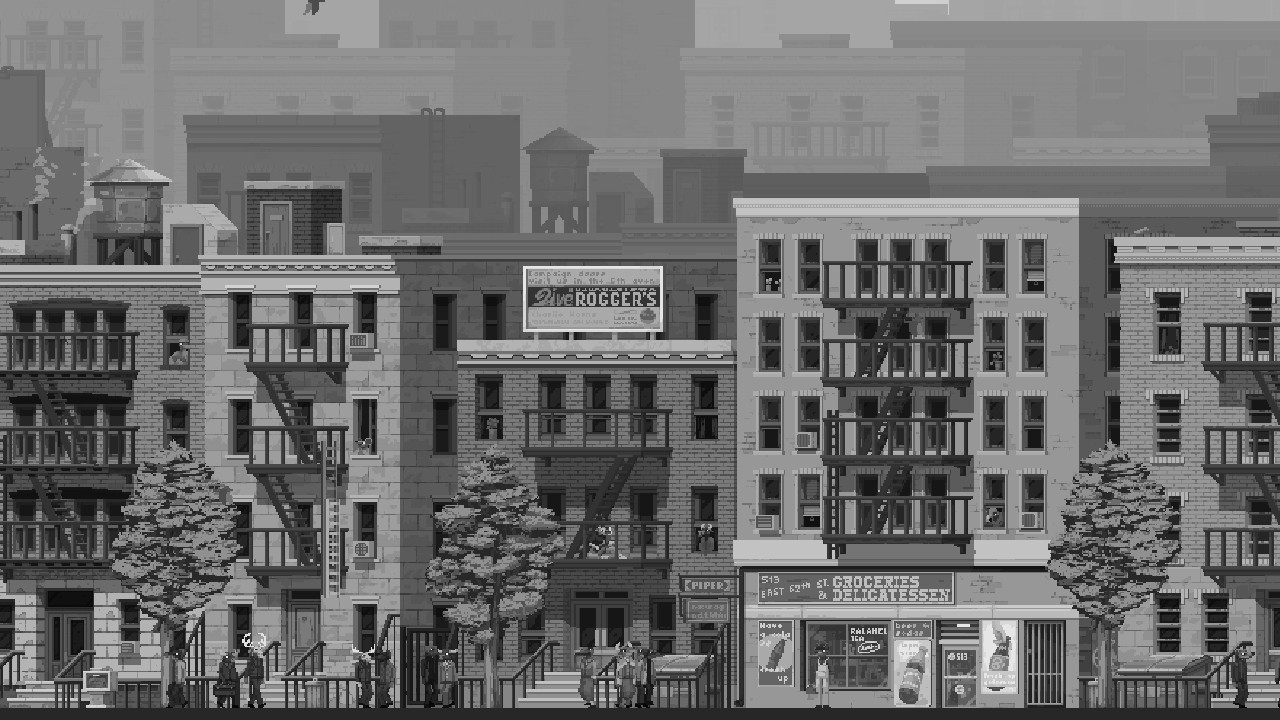
Metropolitan life implies a certain degree of speed given the interconnectedness of major arteries by trains, buses, and automobiles. There is a stark contrast between the collective rush to and from work and the stationary monotony of the assembly line and desk job. Our meandering minds can whisk us away to places we never imagined possible, while our restless bodies remain locked in place. Despite the ever increasing accessibility of transportation, the necessity of our labour keeps us caged. There is a fragile distinction between the bricks of our homes and the concrete walls of our workplaces.
Walk through any city and you’ll inevitably encounter the inequalities generated by this system of exploitation. Fellow pedestrians cross our paths without entering our world. We hear about tragedies through headlines, an anonymized relation to other people. It could have been us. It might be the next time.
Where do we belong if not with the people around us? Like a clouded night sky, the activities in the apartments above are opaque, distant, almost taunting us with their obscurity. But with the rising of the sun, we at-once glimpse the isolation and interdependence of those lives we pass by. In between the fatigue of our past and the immediacy of our future, there is a sliver of what could be. A stage, a piano, and an audience waiting – why shouldn’t it be us?
Side C
“Stories in your head,
Made up by someone else”– Beícoli, The Remedy
Our freedoms enshrined in law are increasingly fragile. There is a significant distinction between freedom from harm and freedom to thrive. After years of struggle and collective action, most workers are able to go their jobs without fear of injury or explicit harassment. The reality of our day-to-day lives tells us that this form of protection, or negative freedom, is not the entire story. Some jobs inherently involve more sacrifice or risk, especially for our most vulnerable communities.
And yet some semblance of symmetry exists, something which cuts across every type of waged labor, even if the experience of it is vastly different in its material privileges. There is a connective tissue, a regulative principle which intervenes, shapes, and molds our relationships to ourselves, others, and the world around us. By asking who our labor is for, we naturally rationalize our jobs as a means to an end, that which allows us to survive. But there is another factor, an extractive surplus or vampiric mediator which profits from and perpetuates itself through our very real differences.
It is this system of political economy in which we struggle that cannot simply be reduced to the executors of our strife. Egalitarian revolutions are measured not by how many heads roll – the removal of a king or an elite few – but by the ways in which our everyday life changes after the event has happened. Do we now have the ability to choose differently? To prefer not to? Whether commuting for an hour to push pencils and count beans, or scrubbing the decks on a voyage across seas, what is this orientation that sees in another’s freedom our own?
Side D
“I’ll keep on telling stories that never happen,
But maybe they one day will”– Beícoli, The Shape of Clouds
Childhood eyes see beauty in the mundane – even an electrical outlet sparks wonder. By crawling then walking, stumbling then running, we learn through our movement. And yet for most of us, we have someone there to pick us up when we fall. This act of love and care is paid not in currency but in the bond and joy of seeing you succeed. Those who disavow the role of community support in their own development are playing pretend. For some, social welfare is contentious. And yet to deny its necessity – to actively dismantle the programs and infrastructure built to bring us together and make sure no one falls through the cracks – is an act of treason.
Remaking this increasingly hostile world isn’t as simple as play. But by understanding how the fictions on our screens shape our dreams, our perceptions, and our horizon of possibility, we can begin to recognize our interdependence. And in seeing in one another the potential we dream of for ourselves, we might also see the inseparability of our collective joy and unease.
Objects have stories. They are made by people like us. They travel, they share meaning, and the more we open ourselves up to the experiences of others, the closer we get to the solidarity binding us together in spite of all those who seek to incite fear and division.
———
Christopher Spina enjoys playing philosopher and taking play seriously. He has called Toronto home for over a decade. Keep up with his work via quiltedpoints.net or on Bluesky.