The “Cultural” Side of the Super Bowl Remains Remarkable
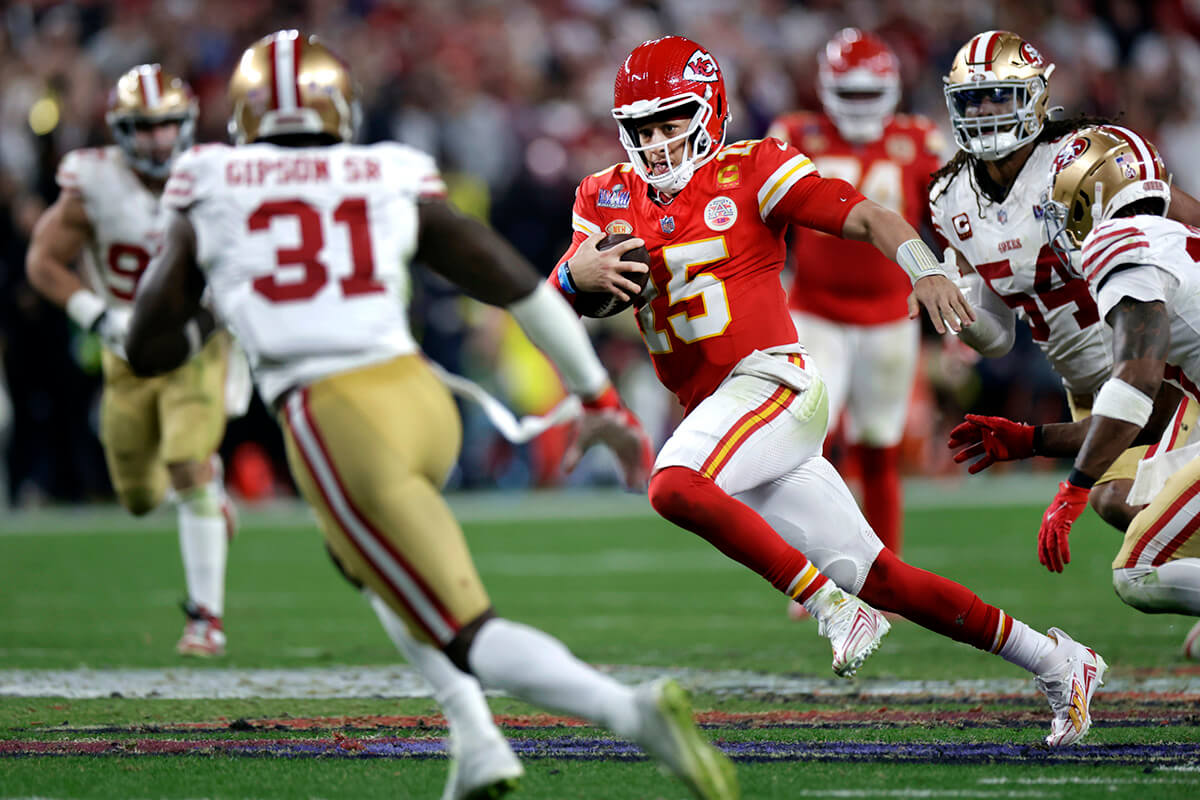
From time to time on social media, you can witness a debate between American football fans and basically anyone else on the planet over which event is bigger, the Super Bowl or the FIFA World Cup Final. With all due respect to those avid – and seemingly patriotic – gridiron fans, the answer is clearly the latter, at least from a global perspective.
And yet, the Super Bowl and the NFL in general have grown immensely in popularity outside of North America in recent years. The Super Bowl is very much a “thing” in countries like Germany and the UK. Alas, most bars are closed due to the time difference, but there will be plenty of Super Bowl watch-parties across Europe on February 8th this year. TV audience estimates vary, but, in the UK, for example, it will be measured in millions, which is quite impressive when you factor in that it takes place in the “small” hours of the morning.
Super Bowl transcends football
In a sense, the event of the Super Bowl in its entirety now transcends the football itself. Sure, there will be avid fans of the two teams competing in the game, and it is estimated that well over $1 billion will be legally bet on the Super Bowl LX game in the US alone, but not everyone engages directly with the football. The parties, the packed bars and restaurants, the economics for local economies, and everything else combine to make it so much more than a sporting event.
And that, perhaps, is what our unnamed defender of the Super Bowl sees as the “biggest” event in sports. The World Cup Final wins in terms of viewers – the audience is measured in billions, not millions – but it does not have the same sense of broad occasion. Yes, there are World Cup watch parties, and good luck getting a seat in the bar during the Final or any of the big games of the tournament, but the Super Bowl transcends football. The best way we can put it is that the World Cup Final is, indeed, the world’s biggest sports event; the Super Bowl is now more like an annual holiday.
When you consider the importance lent to everything not based on the football field, you can see what we mean about transcending sports. A few months ago, social media was melting down over the choice of Bad Bunny for this year’s Half-Time Show. It became a political topic, with some opining that the Puerto Rican rapper was not American enough, conveniently forgetting that plenty of Super Bowl musical performers of the past, from Shakira to U2, were not American.
Then there are the other elements: Boardrooms of some of America’s biggest companies will currently be signing off on the most expensive television advertising slots of the year; people will be discussing those adverts as if they were movies. The Super Bowl also touches on the zeitgeist of the day: Does anyone remember Super Bowl LVI when everyone was talking about crypto? You can be sure that this year there is something AI-related, perhaps an advert, that holds a mirror up to society.
America’s secular holiday
Some papers have been published talking about the Super Bowl as America’s most important secular event. The “secular” part is interesting. We know that religious events like Christmas and Easter have become so commercialized that businesses have sprung up around them; the same goes for holidays like Halloween and Thanksgiving. The reach of the Super Bowl is now so great that consumer expenditure on the event approaches $20 billion, around the same figure as the entire annual GDP of the Bahamas.
In the NBA, it is often discussed how the engagement with the NBA Finals can largely depend on the size of the teams’ markets. Last season, for example, the Oklahoma City Thunder vs. Indiana Pacers game meant the two teams came from “small” markets, whereas a clash between, say, the LA Lakers and Boston Celtics would be two large markets, drumming up more interest at home and abroad. The Super Bowl does not have those concerns any longer. In fact, it probably doesn’t matter who makes the championship game.
And that perhaps is the rub: the Super Bowl is now America’s most important secular festival, and increasingly a global one too. The football does matter, but the event’s growth into a cultural one is perhaps more telling.