El Vampiro
 This is a reprint of the Movies essay from Issue #91 of Exploits, our collaborative cultural diary in magazine form. If you like what you see, buy it now for $2, or subscribe to never miss an issue (note: Exploits is always free for subscribers of Unwinnable Monthly).
———
Have you ever watched the 1931 Bela Lugosi Dracula and thought I wish there were more Gothic twists? If so, Mexico’s El Vampiro (1957) was made with you in mind.
Director Fernando Mendez’s previous film was Ladron de cadaveres (also 1957), a variation on the Frankenstein story, featuring a masked wrestler who receives a brain transplanted from a gorilla. When this was well received, Mendez set his sights on the tale of Dracula.
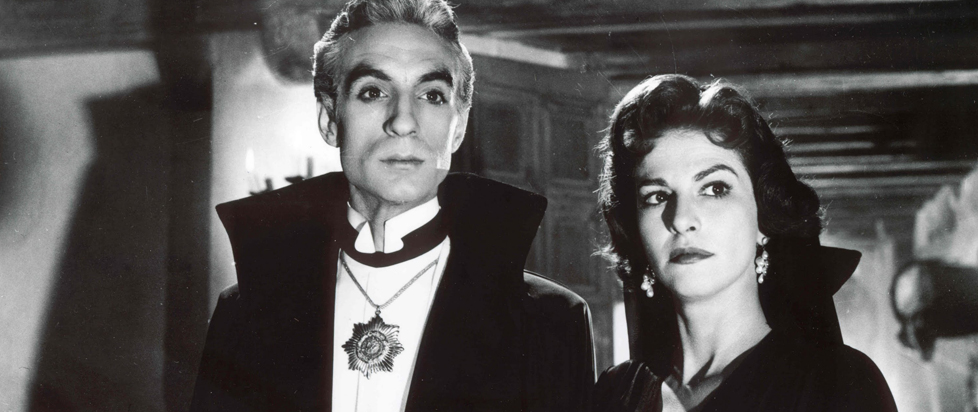
As Marta Gonzales returns to her family’s hacienda, the Sycamores, she discovers that all is askew. Her aunt is dead, and her other aunt is considering selling the crumbling family mansion. Pale, cape-clad Count Karol de Lavud is the potential buyer.
El Vampiro is firmly in the “all vampires should dress like Dracula” camp, and takes a few cues from Universal’s later Dracula films. Yet, it manages to make itself unique by larding astonishing amounts of Gothic sensibility into the mise-en-scène.
The black and white cinematography lends itself to the sinister mood of the film, whether in the spooky forest, the run-down central courtyard of the Sycamores, or the moldering library where books mysteriously fall off shelves at dramatic moments.
Every ‘outdoor’ scene has a layer of mist hanging over it. These lingering, lazily wafting clouds – actual incense – hang like ethereal gauze on the camera lens, only to be disturbed when a character walks through them. The Sycamores is an old, crumbling hacienda whose mysteries reveal themselves late in the narrative in some neat twists, while keeping classic iconography close to hand.
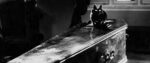
Count Lavud carries the nightdress clad Marta through the house. Bookshelves open to reveal hidden passageways. The vampire count turns into a rubber bat, and you can see the string as it flaps away. Marta’s aunt vanishes from her coffin. Despite the evocation of these tropes, the film neatly subverts the narrative you think is being presented.
Indicator Films recently issued this seldom-seen classic on Blu-Ray, and thoughtfully included plenty of interesting additional features. The included sequel, El ataúd del vampiro, eschews the Gothic twists and atmosphere for a less engrossing story set in the city.