Exploring the Miraculous Existence of Grails

This column is a reprint from Unwinnable Monthly #190. If you like what you see, grab the magazine for less than ten dollars, or subscribe and get all future magazines for half price.
———
Ruminations on the power of the riff.
———
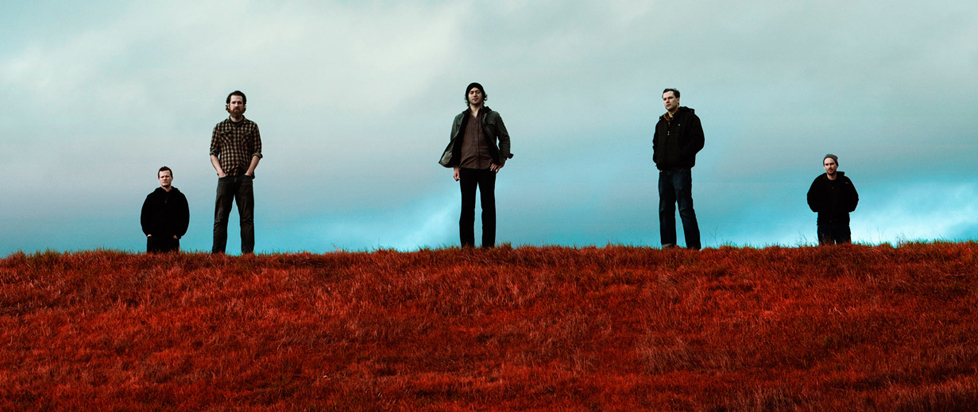
When the instrumental band Grails recently appeared on KEXP, guitarist Alex Hall was asked about how the band has stayed together for more than 25 years. He responded, “If you take money out of the equation, you can stay a band forever.” As counterintuitive as that sounds, this was only partially a joke. The long-running psych-infused band’s vocal-less approach to boundary-pushing rock has earned them cult status and very few direct peers (if not deep pockets). It turns out that writing brooding atmospheric songs with a lack of traditional pop structure isn’t correlated with popularity or profitability, but no matter. It has netted them a loyal fanbase that’s willing to see where their unencumbered musical freedom will take them next.
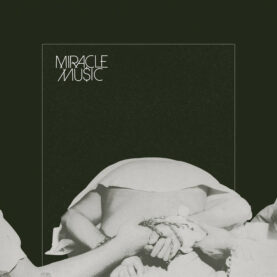
The band’s most recent record, Miracle Music, isn’t going to turn around Grails’ financial fortunes. If that bothers them, it doesn’t show. As the band explains during the same interview, the album will most likely remain a studio project because the songs are too difficult to arrange in a live context. This means that while they will be playing some shows this year, it’s unlikely they’ll be playing much from their latest release, an unthinkable course of action for most touring bands. In fact, while they were theoretically invited into the studio at KEXP to promote the new record, they didn’t play a single song from it on the air. It’s hard to imagine another band getting away with this, but when Hall says forgetting about money is part of the key to the band’s longevity, it shows that he’s nothing if not sincere. It has, after all, gotten them this far.
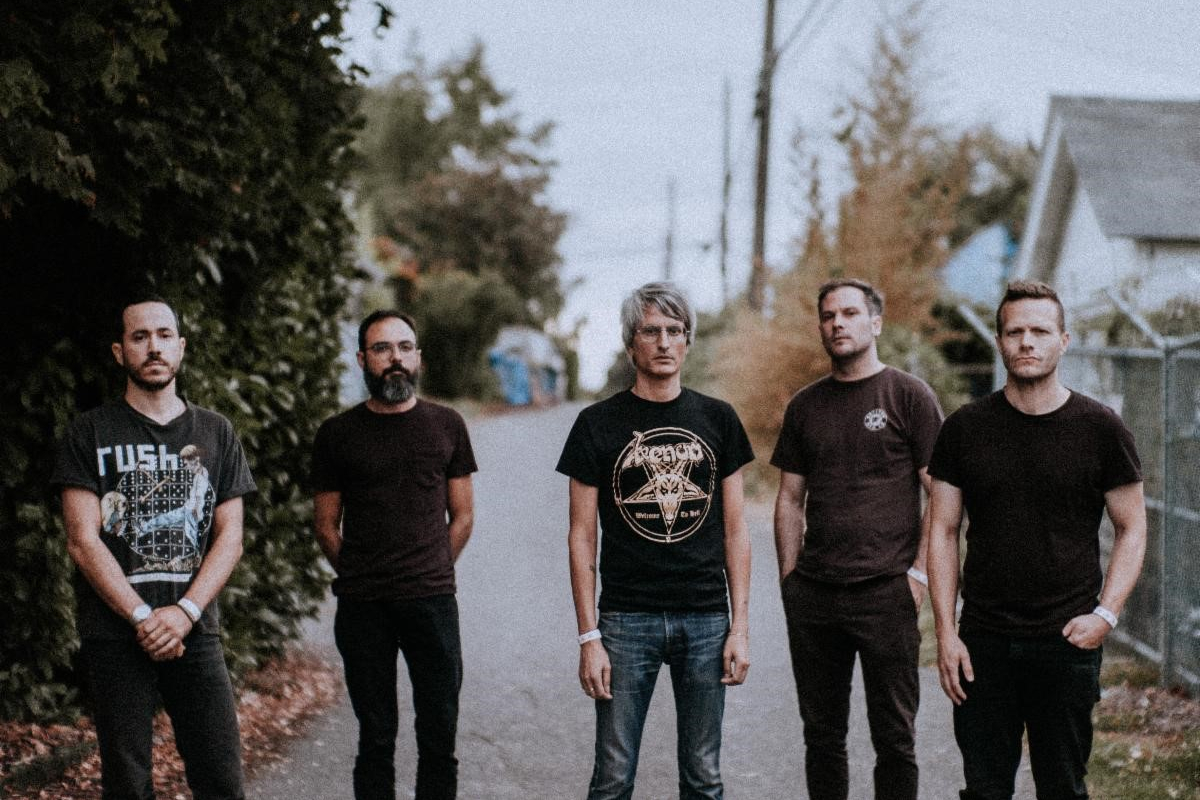
In an era where bands are more reliant than ever on touring revenue, releasing a studio album that doesn’t easily translate to live performances is a bold decision. Yet what Miracle Music does accomplish is further cementing Grails’ status as one of the most interesting instrumental rock bands who are currently active today. It’s a record that has all the gripping tension and disquieting melodies that have become synonymous with the band over the course of their 25-year-long career, stacking dense layers of sound atop one another in a way that is entrancing. The fact that they weren’t thinking about how they’d pull it off on tour is further evidence that the only thing driving them is the force of their own creative will.
Miracle Music, like most of the band’s output to date, rarely goes in the direction your ear is led to believe it will. There are no real traditional verse/chorus/bridge progressions to be found here. Nor are there many slow-burning crescendos or quiet/loud dynamics that are so often associated with post rock, which may be the closest single genre tag they could be associated with, even if it doesn’t quite fit right. Instead, they rely on layering sounds in a way where it’s rare that a single instrument dominates. Collectively, they augment a core of guitars, bass and drums with secondary percussion, strings and pedal steel-esque instrumentation that’s often played on something called a marxophone, an instrument so obscure in the Western world that Google Docs thinks that’s a misspelling. The appeal is less about massive hooks that demand your attention, and more about losing yourself in a bed of sound where immersive tones and textures play off one another, with a grace that veers between delicate and subtle menace.
If Grails wanted to follow the money as an instrumental rock band, there are certainly ways to make it happen. Post rock bands like Explosion in the Sky, This Will Destroy You and Mogwai have long supplemented their living by doing soundtracks for television and movies (ever selective of which projects they choose of course, but these are lucrative gigs). Mono has been joined on stages around the world with symphony orchestras. Covet guitarist Yvette Young recently contributed to the Superman soundtrack. There is a well-established precedent of indie-adjacent instrumental rock bands finding financial sustenance outside of releasing their own albums, and doing so in a way that feels like a natural fit for their sound.
Yet Grails haven’t appeared to have pursued any creative paths toward profitability aside from releasing their own music, under their own name, and on their own time. It would be presumptive to speculate whether they’ve considered working in film, or whether the opportunity has or would ever present itself. The point is that, whether or not it has been a conscious or intentional decision, they’ve always operated in a way where they’re able to focus solely on their own vision, rather than serving or complementing someone else’s work. This is a difficult row to tow if the goal is monetary self-sufficiency, but it also speaks to Hall’s point about why a band might just let go of those aspirations. When financial incentives are removed, you’re free to do exactly what you want, on your own terms, with whoever is willing to join you for the ride.
Near the end of their interview on KEXP, host Jewel Loree asks whether Grails will still be around in another 25 years. The band seemed, momentarily, stopped in their thoughts; music is what they do, it’s what they’ve always done, and they don’t know how to stop. Given that their members have spread out across the United States and Europe since their formation in Portland, Oregon, the title Miracle Music could hardly feel more fitting. This is an improbable record from a band that has forged their own path through an unforgiving industry and without making any compromises for anyone else (not even a popular radio show that was probably expecting them to play something from the record that’s currently doing the rounds in the media). If Grails themselves can’t imagine a world without themselves 25 years from now, it would be wise to bet they will continue beating the odds.
———
Ben Sailer is a writer based out of Fargo, ND, where he survives the cold with his wife and dog. His writing also regularly appears in New Noise Magazine.