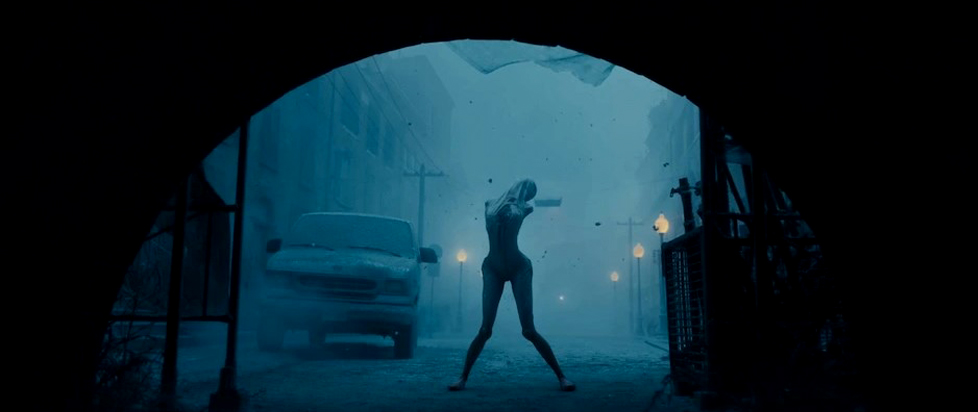
Emotional High Fidelity: On Adapting Horror Games
You feel compelled to support great writing…
This column is a reprint from Unwinnable Monthly #197. If you like what you see, grab the magazine for less than ten dollars, or subscribe and get all future magazines for half price.
———
We are what we’re afraid of.
———
Adaptation has always been a tricky endeavor, if the battle-worn “the book was better” bumper stickers I still see are any indication. Videogame adaptations (that is, adapting a videogame into something else, like a movie), are particularly fraught – for a very long time, the conventional wisdom was that it was outright impossible to make a good movie based on a game. But the era of the Good Videogame Adaptation is here, largely thanks to prestige television series (The Last of Us, Fallout) that managed to shoot the gap of pleasing longtime fans and not alienating newcomers through opaque references and presumed knowledge of lore. This lets us ask an interesting question: Now that we have some proof-of-concepts for what a good-quality film adaptation of a videogame is, can we reverse-engineer what separates it from its direct-to-video forebears?
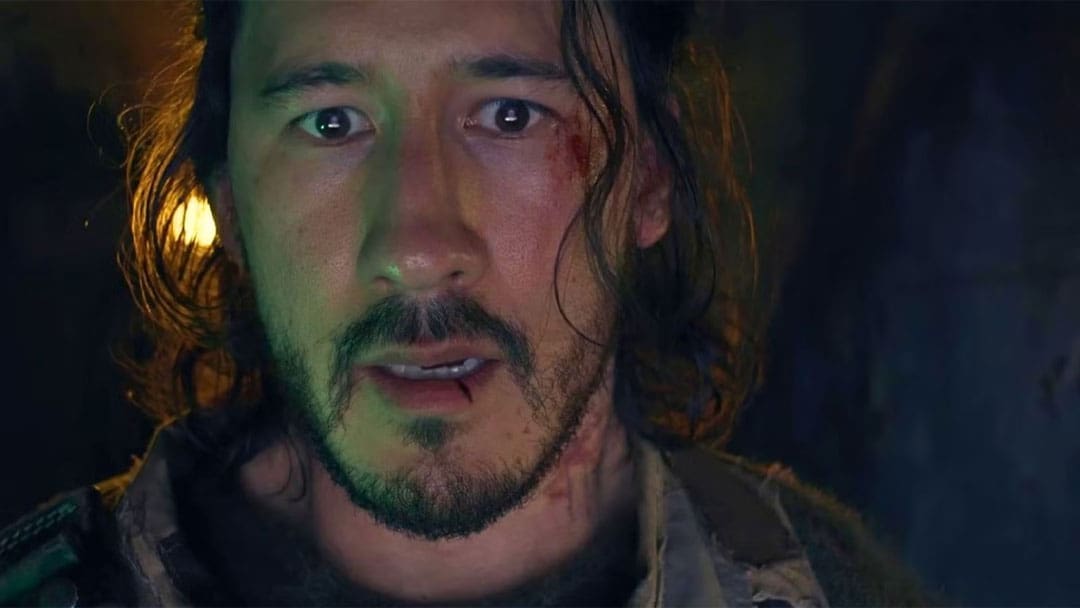
As an experiment, let us take up two very recent (in the theater at the same time!) adaptations of horror videogames: Return to Silent Hill, by frequent franchise director Christophe Gans, and Iron Lung (2026), adapted, directed, and starred in by none other than Markiplier. Lest I bury the lede here, Return to Silent Hill is absolute dogwater by any reasonable standard (but especially by my standards, which are essentially sacrosanct in this column) and Iron Lung rules. While it might at first appear that Iron Lung has the harder adaptational job to do, since the original game has only the vaguest scent of a plot, I believe that it is exactly this looseness of narrative that allowed Markiplier to craft something that I personally found extraordinary, and why Gans fumbles the bag with my favorite games.
To begin, we must address the elephant that appears in any conversation about adaptation: fidelity. When you’re adapting something that already has a fanbase, it feels important to capture the things that people love and expect about that thing – it’s why new Marvel movies are 75% self-referential quips. You want people to engage with a new piece of media that is already entirely comfortable and familiar. Thus, it is easy to think of fidelity as about religious adherence to the plot and characters of the original property; translate them correctly, and you will have achieved Adaptation. Depart too far, and shame ensues. In reality, however, this often leads to patchwork, fanservice-only films that please no one (Eli Roth’s Borderlands). Thus, it would seem that figuring out how and when to diverge from your source text is essential to moving an originally interactive story into a more passive viewing medium.
So, strict narrative fidelity appears to be a false idol. But, in order for a film to be recognizable as the thing it’s trying to adapt, it has to be faithful to something. Both Return to Silent Hill and Iron Lung take pretty extreme creative liberties with the stories they tell, but only the latter is successful as an adaptation (or a movie in general) because Markiplier identified the thing that was truly important to translate as literally as possible from game to film: how the game made players feel.
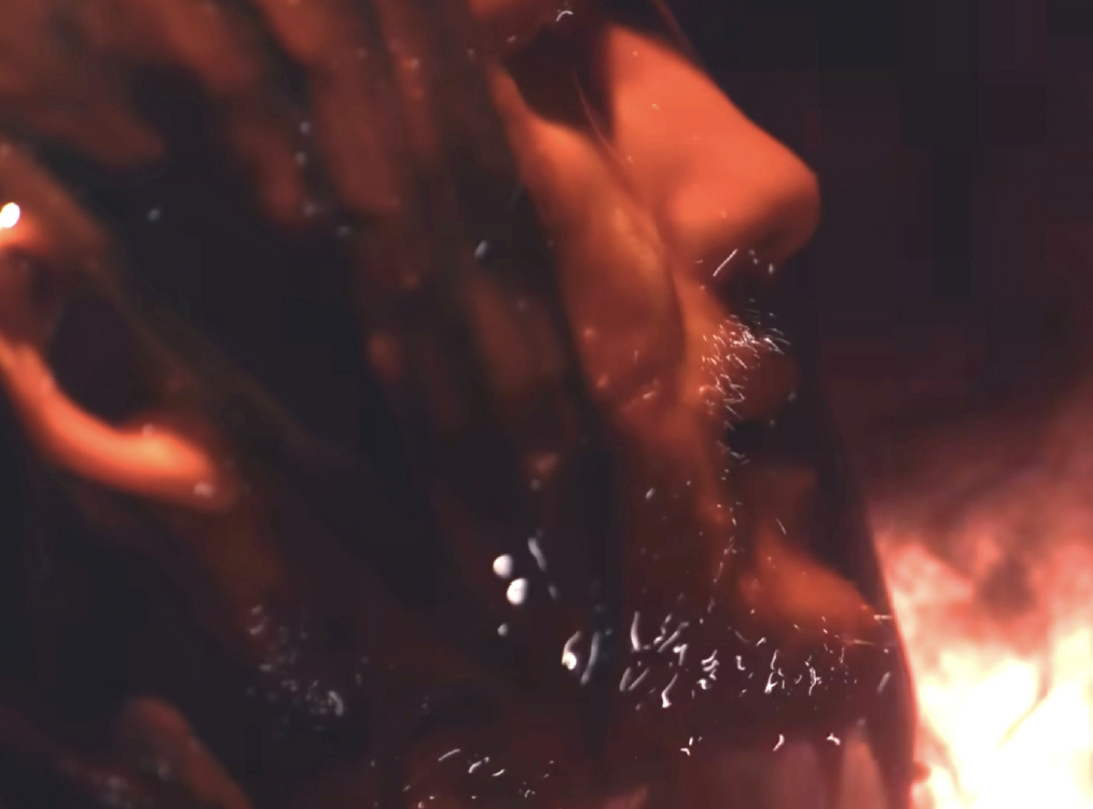
Iron Lung (2022) is a very simple game – blindly following coordinates to take increasingly spooky pictures. The lack of understanding and control instills in the player a powerful sense of helplessness that compels them to keep clicking even though they know nothing good will come of doing so. And while a moviegoer has even less control over the events on-screen – they can only choose to stop watching – Iron Lung (2026) successfully captures that same sense of dread, now conveyed through painfully slow long shots and extended silences. While there wasn’t a plot there to be faithful to, the film has nigh pitch-perfect emotional fidelity.
This is, obviously, where Return to Silent Hill fails. In its attempt to re-envision Silent Hill 2, Gans displays that while he knows the hits – look, guys, Pyramidhead! – there is a distinct lack of understanding of the game’s theme. SH2 is ultimately a meditation on the incredible damage that shame does to us, whether or not the shame the characters feel is justified. The James Sunderland of the game is reckoning with his guilt and grief over killing his terminally ill wife, which alternately guide his actions and consume him. The James Sunderland of the movie, however, has no guilt whatsoever, because he has never done a single thing wrong in his life. The film transforms the plot into a ninety-minute PR stunt to show us that James isn’t so bad, really. He killed Mary, sure, but only after she begged him to end her suffering! And in fact, he loves her so friggin’ hard that his love resets time to their meet-cute, and they ride off into the sunset together, never to set foot in Silent Hill again. No, really. Gans does nothing here but try to show us a version of the story where James Sunderland is an uncritically Good Person, which destroys not only the narrative thread of the game, but its emotional one, too.
Maybe Gans was trying to work out something personal – we often engage in denial of wrongdoing as an early stage of dealing with our own guilt – but in destroying the emotional fidelity of his movie, he succeeded perhaps only in soothing himself – and even then, only until the reviews started coming back. We care about a text not because of what happens in it, but because of how it makes us feel, and overtly individualized re-tellings privilege the storyteller at the expense of the audience. Stories are only universal if you preserve the things about them that make them human, even if those parts are not always easy to deal with.
———
Emma Kostopolus loves all things that go bump in the night. When not playing scary games, you can find her in the kitchen, scientifically perfecting the recipe for fudge brownies. She has an Instagram where she logs the food and art she makes, along with her many cats.