Pluribus
This column is a reprint from Unwinnable Monthly #195. If you like what you see, grab the magazine for less than ten dollars, or subscribe and get all future magazines for half price.
———
Elsewhere, here.
———
My Pop is really loving Pluribus (as am I) and he’s also a communist (I was raised right), so I was confused over Christmas weekend when I overheard him telling his brother (also a communist) that the show was an allegory for communism. If I believed this of the show, I would not like it very much! (I think his analysis is based on the assumption that the “others” will turn out to be morally correct, which is not where I think the show is going). He’s not wrong, one could make this argument and make a good grade on a school paper, and one could also say that it’s about AI or social media or the microchips that Bill Gates has vaccinated us all with. Good paper topics.
You do not have to be wrong to be dull. The desire to read all science fiction/fantasy for allegory is flattening, and beyond its value as a pedagogical tool for critical thinking skills – which I’m not knocking – it serves little purpose other than to gauge the morality of a show so as to assure one’s self that they too, are moral for enjoying it. If Pluribus is “about” communism then aligning myself ideologically with Carol, (as I do) is a betrayal to my political values. If, however, the show is “about” AI, then I can happily and publicly root for her success in defeating it. Much depends, under this kind of analysis, on being correct. Our very souls, even.
How, instead, does this scenario make you feel, and what does it make you wish for? Not in its abstracted concept form, its Wikipedia plot summary, but in the piece of art that exists, as it is. I thought of the isolation in pregnancy and my kid’s early life, before he was vaccinated. I was lonely, and I was angry at how often I had to remind people of a threat that they stopped thinking about years ago and I had to think about every day. In Carol’s position I think I would be more diplomatic approaching the other immune (I’m a charmer), but the feelings are not strange to me; the rage, but also the fragility of a firm stance under pressure from solitude. I don’t think that this is a show about post/present pandemic pregnancy, but I don’t need it to be either.
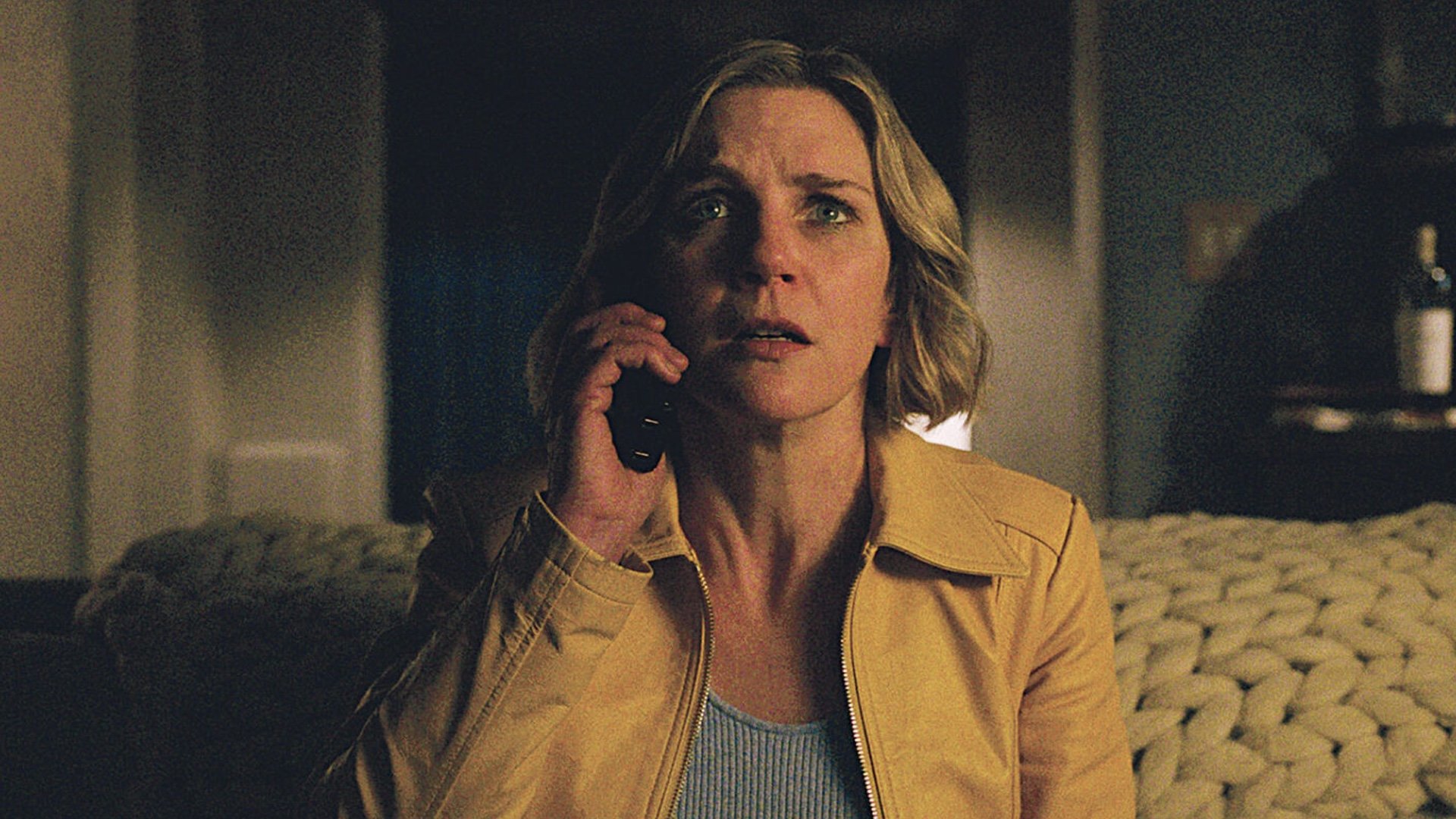
Strict allegory, especially with morality at stake, strangles nuance. Under an allegorical reading we have to think of Carol as being right or wrong: hero or antihero. If instead her circumstances are taken literally, she can be a person in a situation instead of an idea embattled against her opposite. Carol is correct to want to cure the virus, and she is a total pill: a miserable, self-defeating, anti-social grump. She is principled and she is selfish. It’s important to understand Carol as a person instead of a representative, not only for a better understanding of how fiction works, but for a better understanding of how people work. The world is full of Carols. You do not need to like Carol but you do need to try to understand the feelings when she acts wounded, or enraged, or cautiously curious. You must try to understand the circumstances of the new order she is surviving, and there are more interesting questions to ask then what it stands for in our world. Trying to understand is, perhaps, your only moral imperative here. Then you can think about what this speculative scenario might mean to you, but you have to start with what’s there.
Allegory works better at a more remote, mythic level where the specifics of character matter less than their function in the story. The focus of Pluribus is very zoomed in. Carol’s curiosity is limited and so our knowledge of what’s happening is as well. It’s about her priorities. Her questions. This tells us how to watch the show. It is almost as if the virus that creates the others is an allegory for allegory itself, erasing the self in favor of a rhetoric that privileges absolute moral clarity and singularity of purpose over human complexity . . . Quick! Someone write a think piece!
———
Natasha Ochshorn is a PhD Candidate in English at CUNY, writing on fantasy texts and environmental grief. She’s lived in Brooklyn her whole life and makes music as Bunny Petite. Follow her on Instagram and Bluesky.