The Paradox of John Denver and “Rocky Mountain High”
You feel compelled to support great writing…

My introduction to the music of John Denver was through my mother. At some point in the early ‘90s she bought a greatest hits CD and played it frequently. My younger self particularly enjoyed “Rocky Mountain High.” Its use of vivid imagery like “raining fire in the sky” filled my head with images of a place wildly different from Connecticut, where we lived at the time.
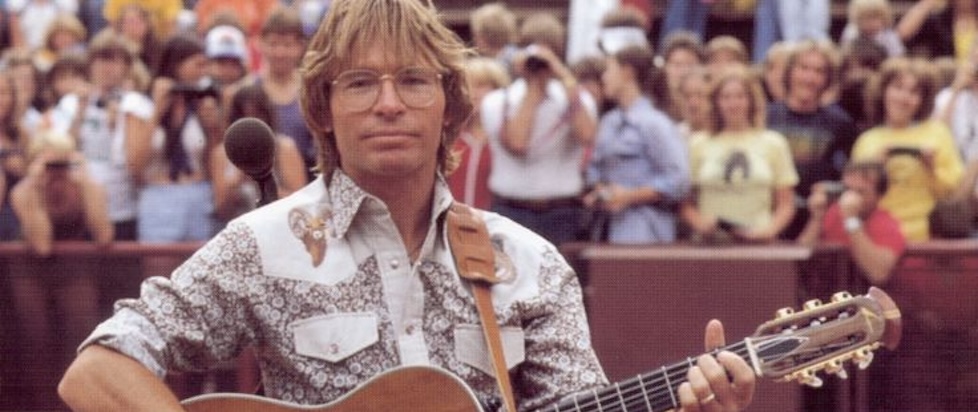
John Denver’s cultural impact is undeniable – “Rocky Mountain High” and “Take me Home, Country Roads” are the official state songs of Colorado and West Virginia, respectively. Despite this there is still a tendency to treat John Denver as punchline, such as a South Park joke involving a dangerous carnival ride called “The John Denver Experience” which essentially recreated Denver’s untimely death in 1997 in a plane crash.
“Rocky Mountain High” presents a loosely autobiographical account of Denver’s own life and his move to Aspen, Colorado. It is the story of a young 27-year-old man moving to the mountains of Colorado and finding fulfillment there. The incredible sights and natural beauty of the area transform him into an introspective and reverent person. His days are spent in a state of elation because of where he now lives and the people there. His perspective and life are changed so much by what he sees around him he feels as though he’s been reborn and has reached some kind of spiritual enlightenment to the point where he feels his connection to nature is also a direct connection to God. However, he is filled with fear due to rapid growth and development threatening to spoil the natural landscape.
Denver sings “Why they try to tear the mountains down to bring in a couple more / More people, more scars upon the land” with what feels like thinly-veiled condescension and contempt towards those who also dare to trod upon his precious Colorado Rockies.
These lines are the crux of “John Denver Problem.” It is hypocritical to condemn those who also wish to enjoy a place. John, you just sang an entire song about how this place is so great that it caused you to become some sort of enlightened being. Now you’re saying no else can come here? What makes you so special?
It’s as though he has placed himself into an unearned role of arbiter of access to the Rockies by no other virtue than “I like it here,” while practicality advertising the place as loudly as possible and presenting himself as blameless. Limiting access to a place is by definition an act of discrimination, and the moral implications of excluding people from somewhere are not to be taken lightly. It is difficult to take Denver or anyone suggesting environmental conservation in this way seriously. No one wants to be preached to by a sanctimonious hypocrite.
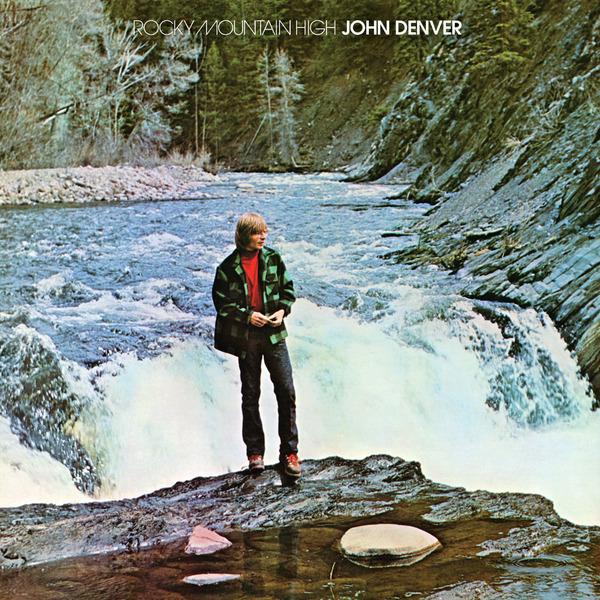
However, this interpretation is not without fault. Denver’s song was not meant to be a comprehensive outline of environmental policy, it was meant to hold a mirror up to the problems the Rocky Mountains were experiencing during a time of rapid population growth. It was a reminder of why the Rockies are special and what makes them worth preserving. Yet, protecting the environment and keeping access open is a paradox, squaring the circle of leaving awe-inspiring places untarnished while simultaneously allowing access to as many people as possible. The world does not belong to any single entity and neither should access to its wonders.
Similarly, John Denver is paradoxical as an artist. Sometimes, he can create incredibly moving poetry with only simple themes and minimal instrumental accompaniment such as, “Perhaps Love”, in which he encapsulates all the ways humankind’s biggest emotion manifests itself. Other times you get something like, “Please Daddy (Don’t Get Drunk This Christmas)” a confusing track that sounds more like an ill-advised and cheaply produced public service announcement.
Denver’s personal flaws and moral failings made personal criticism much easier. He struggled with alcohol and cocaine addiction, his two marriages both ended in divorce and instances of domestic violence. It is hard to take a song about being a gentle, loving person seriously when it is written and performed by an out-of-control abuser. Likewise, trying to boil down environmental causes into a simple message makes it become a worthless platitude, stripped of practicality due to the complex nature of environmental problems. As the world continues to increase in its technological complexity and moral ambiguity, the suggestion that things aren’t really that complicated feels like an insult to your intelligence.
John Denver expressed great regret and reflected on his actions in his autobiography. While this does not provide complete absolution for his actions, I try to reconcile the image of Denver the musician and Denver the person through his songs about the man he aspired to be, not the one he was. I’m not sure how to reconcile the problems we create for the environment, or how to talk about them without becoming too sanctimonious, but I know what I aspire for.
If it was Denver’s intent to dissuade people from moving to Aspen, or Colorado, he failed spectacularly. Both Aspen and Colorado have more than doubled in population since the song was released. I wonder what he would think of it now?
———
Alex W. DeJong lives in Kansas with his wife, dog, cat, and seven snakes. He is endeavoring to write more about music, religion, gaming, technology, or anything else that catches his interest. He now has a Linktree.