Angeline Era vs Videogames
This column is a reprint from Unwinnable Monthly #195. If you like what you see, grab the magazine for less than ten dollars, or subscribe and get all future magazines for half price.
———
What’s left when we’ve moved on.
———
They put a dream in there.
I was in a house with nothing but a bed and some lamps, oh, and some floating heads repeating my own memories, when that thought came to me. When we think about dreams, normally there’s a sense of idealism. We have a goal we want to reach, that’s a dream. Or we daydream. But most real dreams are outside our control. They’re subconscious workings-through of things we thought about during the day, never explained and often dissolve like cotton candy when we awake. Playing Angeline Era, one of my favorite games of 2025, is like dreaming with all the fear and frustration, but also reckless joy, it entails.
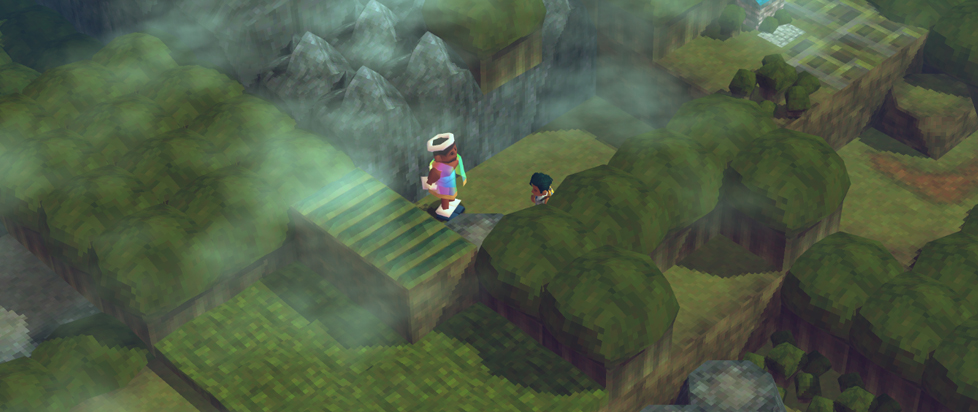
Angeline Era takes inspiration most visibly from Ys, a bump combat series by Falcom. It has chest messages like Trails in the Sky and the wonky architecture of the towns reminds me of Ocarina of Time. If I’d had more time, this would be the perfect game to hand-draw a map or keep a secrets book of. More than almost any game I played last year, Angeline Era made me feel excited about exploring and finding every secret even if it wasn’t necessary to progress.
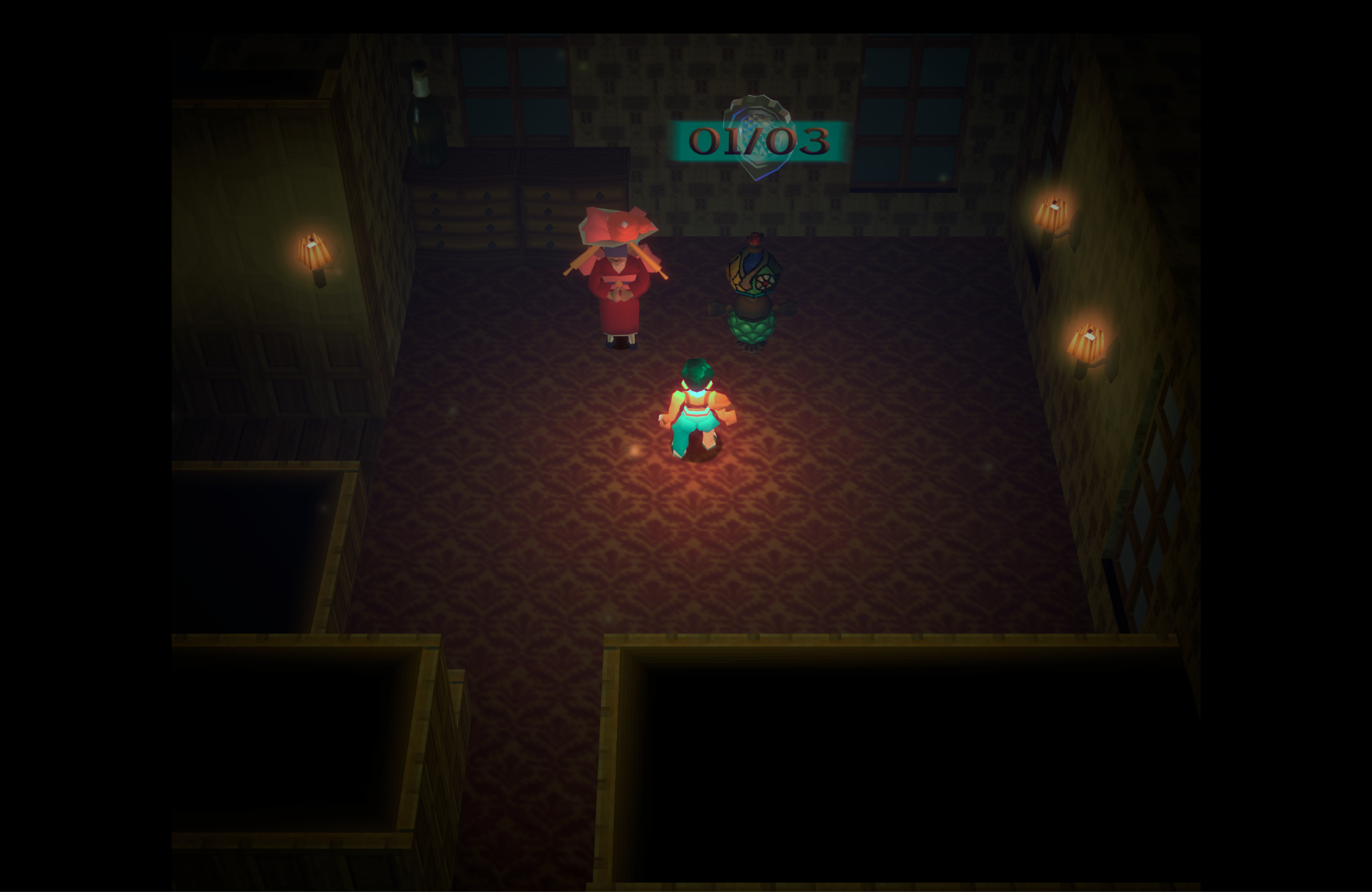
The story combines Irish and Japanese culture as well as Christianity, and yes that’s non-allegorical, literal Christianity. The first time a book in the game hit me with a Martin Luther quote I had to wonder what the world’s cosmology was. I was reminded of something Anna Meyer said in an interview about her graphic novel Saint Catherine: “there’s something about Catholicism that is so inherently magical. The saints, angels, demons, and miracles… it was a form of magic that the adults in my life validated.” I associate something similar with Irish mythology: the sense magic could be anywhere, invisible but within reach. I also recently rewatched The Bishop’s Wife, a Christmas movie about what you’d do if Cary Grant was an angel and he flirted with your wife, and of all things it reminded me of how Angeline Era handles cosmology. Religion is based on faith; confirmation of the truth of your faith isn’t just magical, it could be unnerving, funny or horrific. That’s also what the faeries in Angeline Era accomplish: a little inter-narrative voice to say, isn’t this weird? Don’t you think something more is going on?
Rather than just using religious imagery as many games do, Angeline Era puts Christianity in contrast to a belief system that it dominated, forcing you to think about that relationship while Tets is bouncing around looking for angels. This deeper consideration extends to the game’s visual images, which while dreamlike are never totally random. I always felt like there was meaning for me to extract from a scene or visual, even if I couldn’t figure out what it was. It’s a rich, dense text, is what I mean. I could close-read this videogame. This contributes to the feeling of exploration: the arrangement of tiles in a room can tell a story, whether that’s “angels live here” or “this pot will explode if you touch it.” The depth of the world and the importance given to its smallest details (for example, the developers used iNaturalist to design the plants) made me feel more excited about exploring it. “I wonder what would happen if…” was something I said to myself multiple times an hour. Messing around with the eye glass, plopping turnips out of the ground and, occasionally, just sitting with the screen open to look at a waterfall or house was as much a verb of movement in this game as combat was.
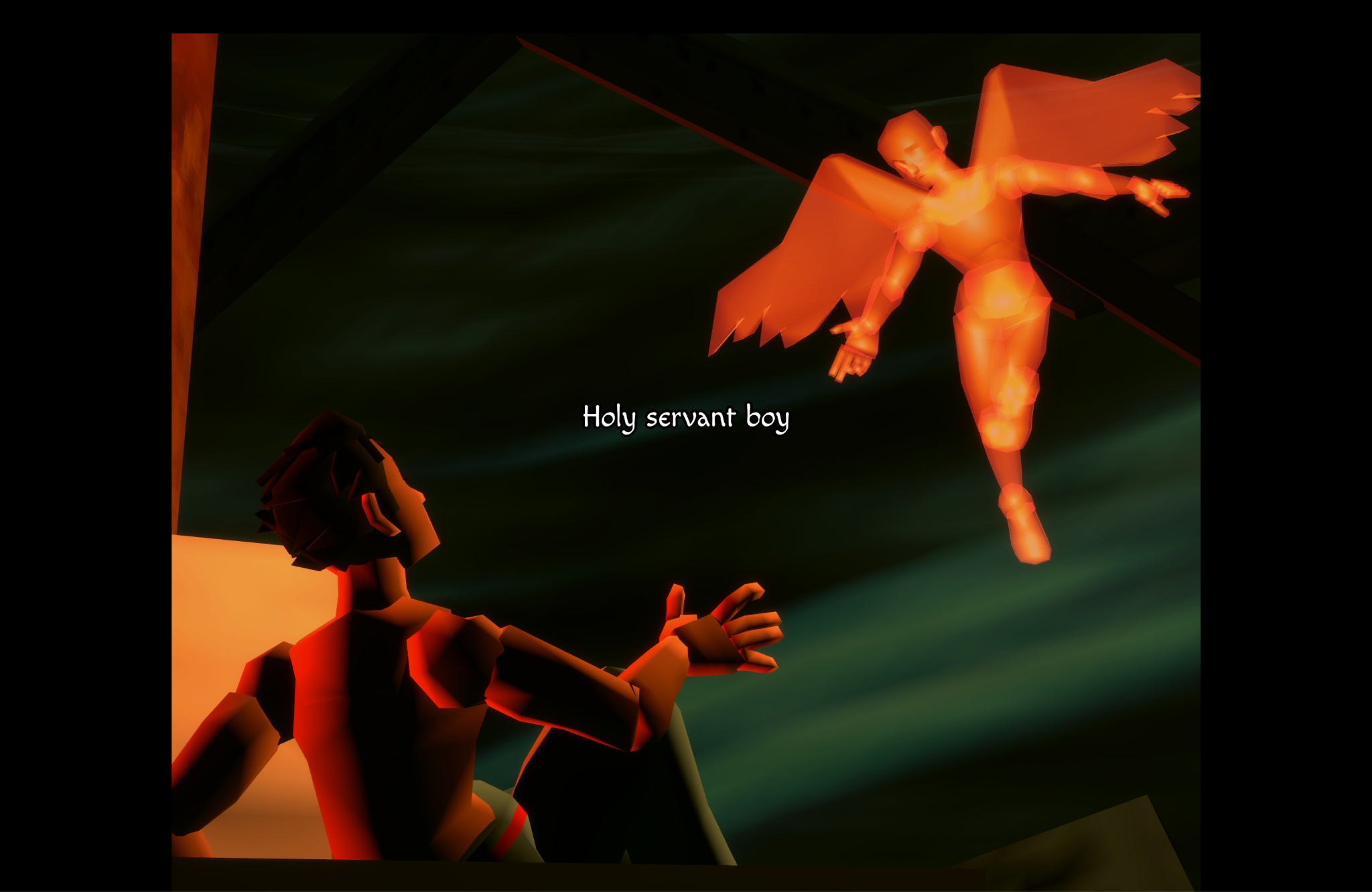
This brings me to the game’s mechanical difficulty. Out front, I should say there’s an ultra-easy mode that will remove these factors, as well as two or three super-hard modes. But my first couple hours with the game were marked by intense frustration. I had a hard enough time with the very first boss fight (mean) and the first major story fight that I began to get concerned about being able to review the game at its normal difficulty. But the difficulty (which reduces when you get more health and a gun) was directly tied to how much I wanted to explore the world. It’s not just that finding new things made me want to explore and therefore persevere; there was also pleasure in finding new things to think “uh oh,” “what?”, and “this is total bullshit” about. In Angeline Era, discursive difficulty leads to meaningful experiences. I have many questions about the world and it feels deep enough to contain them.
Not everyone will like Angeline Era, but I think everyone should try it. It would be a shame if more people didn’t check out this new entry as well as, like I am, go back to Analgesic Productions’ older titles. Today many videogames limit themselves to reheated stories and shallow political statements, if they include them at all. (To quote Ursula Le Guin on the American man: “that all these genres are sterile, hopelessly sterile, is a reassurance to him, rather than a defect. If they were genuinely realistic, which is to say genuinely imagined and imaginative, he would be afraid.”) Directness is one way to break that shallowness; fantasy is another. Angeline Era’s fantastical elements make a great pair with its directness about religion and oppression, while never forgetting the verbs of the game: to play and, of course, to dream.
Code was provided by Analgesic Productions.
———
Emily Price is a freelance writer and digital editor based in Brooklyn, New York, and holds a PhD in literature. You can find her on Bluesky.