Food Pilgrimages: Traveling Europe Through Its Regional Cuisines
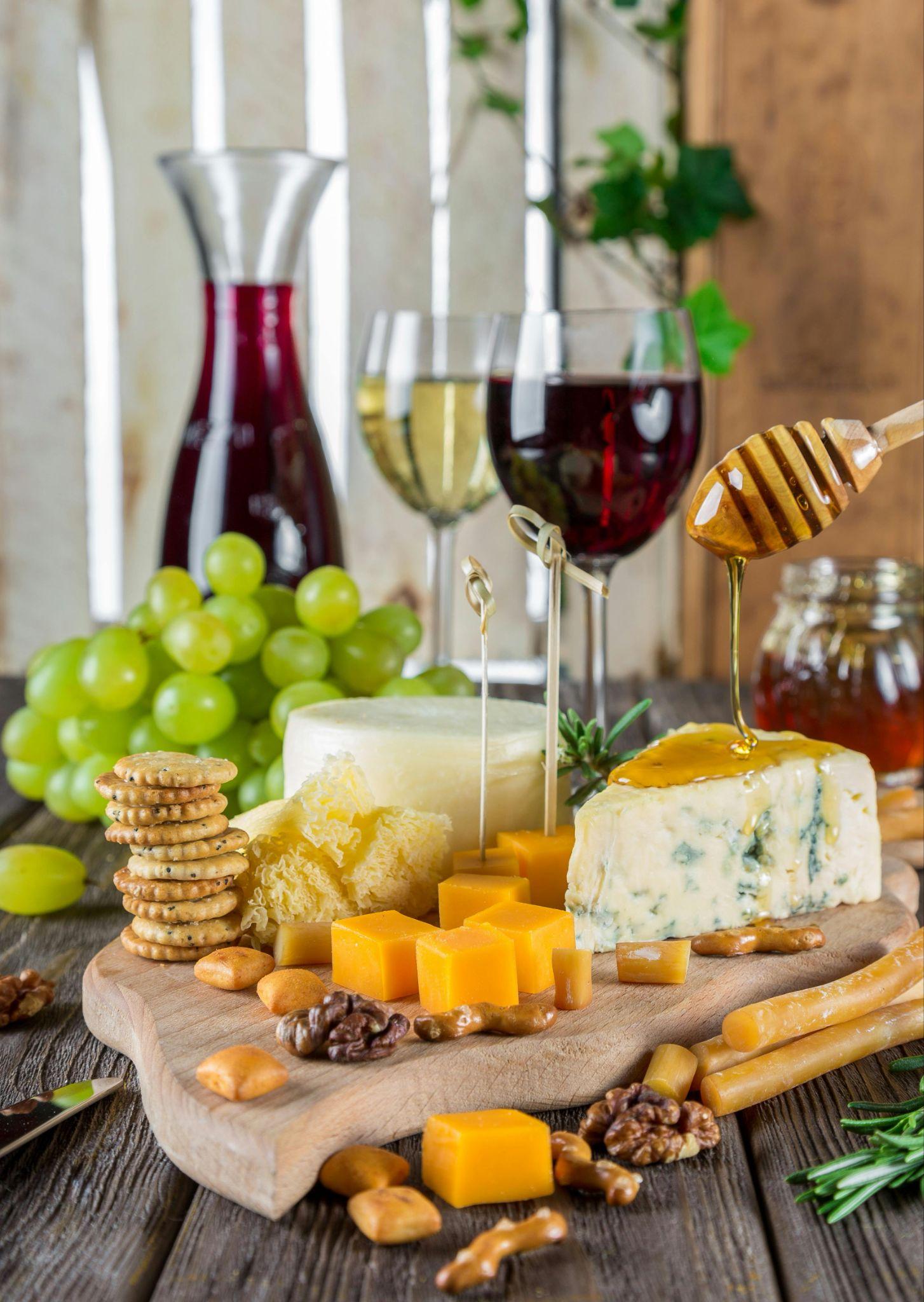
The idea of “seeing Europe” has shifted over the last few decades. Fewer travelers now race from monument to monument; instead, many plan their routes around rustic markets, family-run taverns, and seasonal harvests. A food pilgrimage is not just about eating well. It is about using taste as a compass, letting bread, cheese, wine, and humble street food guide you into the daily rhythms of different regions and cultures.
Some travelers even break up overnight train rides by playing the Monopoly Big Baller live game on this site on their phones before falling asleep, though the real excitement waits at the next market hall or bakery where the history of a place is baked, simmered, or cured into every bite. In this sense, food pilgrimages are less about indulgence and more about learning to pay close attention.
What Makes a Journey a Food Pilgrimage?
A food pilgrimage differs from ordinary tourism in its deliberate focus. Rather than squeezing a quick lunch between museum tickets, the meal becomes the centerpiece of the day. People cross borders for a particular seasonal pastry, an obscure cheese made only in one valley, or a coastal stew that makes sense only when you can smell the harbor it comes from.
This kind of travel demands slowness. To understand a region’s cuisine, you need time to notice patterns: which ingredients appear again and again, which cooking methods reflect climate or scarcity, which dishes are reserved for celebrations. Talking to cooks, farmers, and market vendors often reveals more about local history than any guidebook, because recipes carry memories of poverty, migration, religious rituals, and political change.
Mapping Europe by Plate
Europe’s culinary map is textured and sometimes contradictory. In the north, hearty stews, dense breads, and preserved fish reflect long winters and historical necessity. Smokehouses, pickling jars, and root-cellars once ensured survival; now these methods are celebrated as craft traditions. In the Mediterranean south, a brighter palette dominates: olive oil, tomatoes, citrus, and fragrant herbs point to warmer climates and centuries of trade with distant shores.
Traveling eastward, fermented dairy, dumplings, and robust soups tell stories of nomadic movements, empire borders, and resourceful home cooks who learned to stretch limited ingredients into filling family meals. Across the continent, wine regions mark older trade routes and social hierarchies, from royal courts to modest farmhouses. Each glass poured in a village bar hints at geology, weather, and human labor layered over centuries.
Food, Identity, and Belonging
Food pilgrimages are also a way of navigating questions of identity. For many Europeans, regional dishes are powerful markers of belonging: a particular sausage or soup signals “home” more strongly than a flag or anthem. When visitors show genuine interest in these foods, they are often granted a kind of provisional membership in the community, however brief.
At the same time, culinary identities are not frozen. Cities across Europe now blend traditional recipes with influences from migration and global trade. A thoughtful traveler can taste how new ingredients and techniques are folded into established habits. This raises complex questions: Which version of a dish is “authentic”? Who gets to decide when a cuisine has changed too much? Food pilgrimages become a way to observe these debates up close, plate by plate.
The Ethics of Culinary Travel
Pursuing food across borders is not automatically virtuous. Popular regions can quickly become overwhelmed by visitors, driving up rents and pushing out the very small producers that made the area attractive. Over-focused food tourism risks reducing living cultures to checklists—one iconic dish, one photo, one rushed verdict.
An ethical food pilgrimage asks harder questions. Are you seeking out places that prioritize local ingredients and fair labor, or simply chasing whatever is trending online? Are you willing to eat what is ordinary for residents, not just what is staged for visitors? Supporting modest family kitchens, neighborhood bakeries, and morning markets can distribute your spending more evenly and help communities maintain their culinary traditions on their own terms.
Practical Principles for a Thoughtful Food Pilgrimage
Designing a food-focused journey through Europe does not require a huge budget, but it does benefit from intentional planning. Start by choosing a small cluster of regions rather than striving to “do” the whole continent. Research seasonal specialties—truffles in autumn forests, early spring greens, summer stone fruits—and let those rhythms shape your itinerary.
Once on the ground, simple habits go a long way. Visit markets early, before the crowds, to see how locals shop. Eat main meals at lunchtime when workers are out, and notice what ends up on their plates. Take notes on recurring flavors and textures. When language allows, ask brief, respectful questions: “Is this from nearby?” “How long have you been making it?” These conversations transform a dish from a pleasant taste into a story anchored in time and place.
Beyond the Plate: Memory, Culture, and Change
In the end, the most meaningful souvenirs from a food pilgrimage are not jars or bottles but patterns of understanding. After days or weeks of attentive eating, you begin to recognize how landscapes, economies, and beliefs are folded into everyday meals. A coastal town may rely on modest, briny dishes because storms once limited fishing; a mountain village might serve rich, caloric fare shaped by generations of hard physical work.
Travelers who pay attention bring these insights home, adjusting their own cooking and shopping to reflect a deeper respect for seasonality and origin. They also become more aware of how fragile culinary traditions can be in the face of climate change, mass tourism, and industrial agriculture. Food pilgrimages, approached with humility and curiosity, are therefore not just journeys for the palate but for the mind—a way of tasting how history, culture, and environment continue to shape life across Europe today.