How Gaming Addiction Is Reshaping Modern Masculinity
You feel compelled to support great writing…

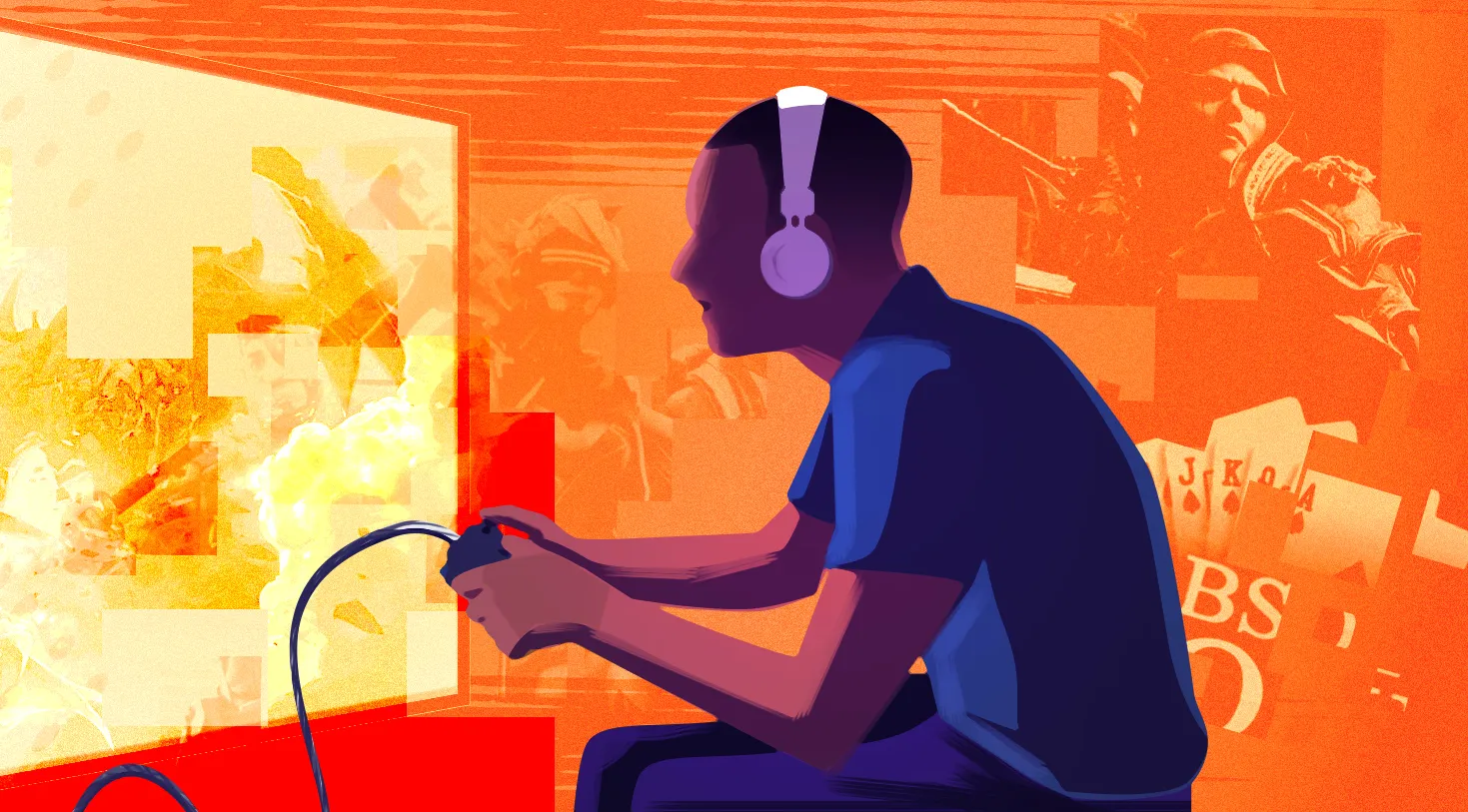
Gaming is no longer just a hobby. For many men today, especially younger ones, it has become a daily routine that fills free time, offers competition, and provides a digital social life. This includes not just video games, but also time spent on interactive gambling sites like non GamStop casinos, which offer similar structures of reward, status, and escape. But for a growing number, it’s crossing a line. Gaming addiction isn’t just about hours logged on a console. It’s starting to reshape how men view themselves, how they behave in relationships, and what they value in life. In the UK, where masculinity has long been tied to work ethic, emotional control, and real-world responsibility, gaming addiction is slowly shifting those expectations.
What We Mean by Gaming Addiction
Gaming addiction refers to more than just playing for long hours. It’s a behavioural condition where gaming becomes the dominant activity in a person’s life. It takes priority over work, social obligations, sleep, and even health. This form of addiction often comes with strong cravings, withdrawal symptoms when not playing, and continued use despite negative consequences.
Unlike substance addiction, gaming doesn’t involve a chemical substance, which makes it harder to detect. But the psychological pull is just as strong. Many addicted gamers experience mood swings, sleep disruption, and deteriorating personal hygiene. They may start skipping work, avoiding family, and lying about how much time they spend online.
Although UK gambling laws regulate betting and casino play with strict licensing rules, behavioural addiction linked to gaming often flies under the radar. That’s because gaming falls outside traditional gambling definitions, even when money or in-game purchases are involved.
The World Health Organisation has officially classified gaming disorder, adding weight to the growing evidence that this is not just a phase or a casual pastime gone too far. It is a mental health issue that needs careful understanding, especially as it becomes more common among young men.
The Appeal of Gaming in a Shifting World
One reason gaming appeals to men is the control it offers. In a world where economic instability, job insecurity, and shifting social expectations are all common, gaming provides clear goals, instant rewards, and structured progress. In many games, you know what you need to do, what success looks like, and what the outcome will be. Real life rarely gives the same clarity. The rise of video game addiction among young men shows just how powerful this sense of structure and reward can become, especially when everyday life feels uncertain or unrewarding.
Online gaming also gives men a way to bond without emotional exposure. Talking through a headset during a team match avoids face-to-face intimacy. You can feel connected without opening up. That’s attractive in a culture where many men are still taught not to show vulnerability.
How It Affects Identity
Identity is shaped by what we do, how we see ourselves, and how others respond to us. For many men, their sense of purpose and worth has traditionally come from external achievements—jobs, physical strength, leadership roles. Gaming provides a digital substitute for these markers. High scores, rankings, and virtual status offer a similar feeling of achievement. The relationship between games and mental health is becoming more widely recognised, as digital rewards often begin to influence how players measure their value in daily life.
Over time, these digital wins can become more important than real-life ones. A man may fail to advance in his career, but if he ranks high in an online game, he may still feel successful. This creates a split identity: one where self-worth is propped up by virtual progress, while real-world issues remain unresolved.
This can lead to reduced confidence in real social situations, reluctance to try new things, and a growing gap between the digital self (confident, competent) and the real self (anxious, uncertain). It’s not just escapism—it’s an identity shift rooted in digital dependency.
Emotional Numbness and Escapism
Many men use gaming as a shield against uncomfortable emotions. Loneliness, sadness, stress, or fear often go unaddressed. Instead of talking to someone or working through their emotions, they turn to gaming to suppress them.
The problem is that this pattern trains the brain to avoid emotional discomfort rather than cope with it. Over time, the emotional muscles weaken. Men become less able to identify or talk about what they feel. This can lead to emotional numbness—a state where very little is felt at all.
Games become a way to not feel. A man who once enjoyed music, sport, or family time may lose interest. Real-life moments that require emotional involvement—comforting a partner, facing rejection, grieving a loss—become overwhelming. Gaming offers an escape, but it also traps.
Relationships and Isolation
Many partners of gaming-addicted men report the same patterns: emotional distance, neglect, and frustration over being ‘second place’ to a screen. It’s not just about time spent gaming. It’s the emotional absence that comes with it. Conversations become shorter, intimacy fades, and shared routines fall apart.
Some men justify it by saying, “At least I’m home and not out drinking”, but emotional absence at home still carries consequences. Over time, it erodes trust and closeness.
Friendships can suffer too. Outside of gaming circles, fewer friendships are being formed. For many men, their only social interaction comes through gaming. These connections can be meaningful, but they rarely substitute for real-life support when life gets difficult.
Masculinity and Dependency
Traditionally, masculinity has been linked with strength, independence, and emotional control. For decades, men have been taught—directly or indirectly—that asking for help, feeling vulnerable, or showing signs of dependency is a weakness. But the growing conflict between masculinity and gaming has become harder to ignore, as some voices have described gaming addiction as a quiet parasite that feeds on male identity.
When a man becomes dependent on gaming, it’s often not recognised as dependency at all. Because video games are seen as entertainment or a hobby, the behaviour is easily dismissed or even encouraged. It’s more socially accepted for a man to spend six hours gaming than to admit he’s struggling with loneliness or anxiety. But what happens when those six hours are a daily escape from real life?
Men dealing with addiction often don’t recognise how their need for control and achievement in games reflects a deeper loss of control in the real world. Leveling up, winning matches, and completing objectives—these provide a sense of success that may be lacking in work, relationships, or daily life. The result is a quiet shift from independence to digital dependency, where validation comes not from real people but from algorithms and avatars.
This dependency doesn’t just affect mental health—it starts to reshape how men define their self-worth. Success becomes about rankings and achievements inside the game, rather than growth outside of it. And over time, this shift erodes the confidence needed to tackle challenges in the real world—challenges that require patience, effort, and emotional resilience.

The Generational Divide
Older generations often struggle to understand how gaming could be harmful. For them, work ethic was measured in long hours, physical effort, and visible progress. Sitting in front of a screen playing what they see as “just games” doesn’t fit into their model of responsibility. So when they see younger men investing serious time and energy into gaming, the reaction is often confusion or criticism.
But what’s often missed in this generational gap is the different world that younger men are growing up in. Today’s economy is unstable. Housing is out of reach for many. Job markets are saturated and underpaying. The pressure to “make it” is constant, but the tools to do so often feel outdated. In this environment, gaming offers a form of stability. It’s one of the few places where young men feel in control, competent, and rewarded.
This divide becomes even sharper in conversations about mental health. Older men, raised in eras where emotions were often suppressed, may not see gaming addiction as a symptom of a deeper struggle. They might frame it as laziness or immaturity, rather than a coping mechanism. This misunderstanding often leads to shame, silence, or denial—none of which help anyone involved.
Bridging this gap means creating new conversations between generations. Not about blame, but about understanding. Because only then can families and communities respond to gaming addiction in a way that’s actually helpful, not judgmental.
Rebuilding Masculinity: What’s Next?
If gaming addiction is reshaping masculinity, the question is: what do we rebuild in its place?
First, it means redefining what it means to be a “man” in today’s world. That definition can no longer be based on outdated expectations like emotional suppression, constant productivity, or the need to appear unaffected. Instead, modern masculinity could be built around honesty, balance, connection, and self-awareness.
It starts with recognising that seeking help is not failure—it’s maturity. Men need new role models who talk about addiction, mental health, and self-doubt without shame. These role models don’t have to be celebrities or influencers. They can be brothers, colleagues, teachers, or dads—anyone who’s willing to be real and vulnerable.
Rebuilding also means creating space for healthy alternatives. Gaming doesn’t need to be cut out entirely for most people. But it needs to be put in its place—as a side activity, not a centrepiece. Encouraging creative outlets, team sports, volunteering, or practical skill-building gives men other ways to experience challenge and achievement.
Importantly, this rebuilding must include emotional literacy. Boys are still growing up hearing phrases like “man up” or “don’t be soft”. That needs to stop. Teaching boys and men how to name, express, and manage their emotions is a foundational skill that directly reduces the pull of escapist behaviours like gaming addiction.
Small Steps That Matter
Addressing gaming addiction doesn’t require instant transformation. In fact, dramatic overhauls often fail. What works better are small, consistent changes that create space for real life to come back in.
- Reintroducing offline hobbies: Men who used to enjoy sports, reading, or music can start by dedicating 30 minutes a day to those activities again.
- Digital detox days: Scheduling one day a week with no gaming can help reset priorities.
- Tracking screen time: Using apps or journals to monitor time spent gaming increases awareness.
- Talking to someone: Friends, therapists, or support groups can provide perspective and motivation.
- Building small wins: Replacing in-game achievements with real-life accomplishments, however small, rebuilds confidence.
The aim isn’t to stop gaming completely. It’s to reintroduce balance and reduce the dependency that undermines a man’s sense of control over his own life.
Final Thoughts
Gaming isn’t inherently harmful. But when it becomes a coping strategy for avoiding life, emotions, or change, it quietly reshapes a person, and masculinity along with it. In the UK and beyond, men are facing a unique challenge: how to stay connected to themselves and others in a digital world that offers distraction over discomfort.
Gaming addiction is more than a habit. It’s a sign of a culture in transition. Masculinity doesn’t have to mean emotional silence, digital obsession, or escape. It can evolve—and it must—if men are to thrive both online and off.