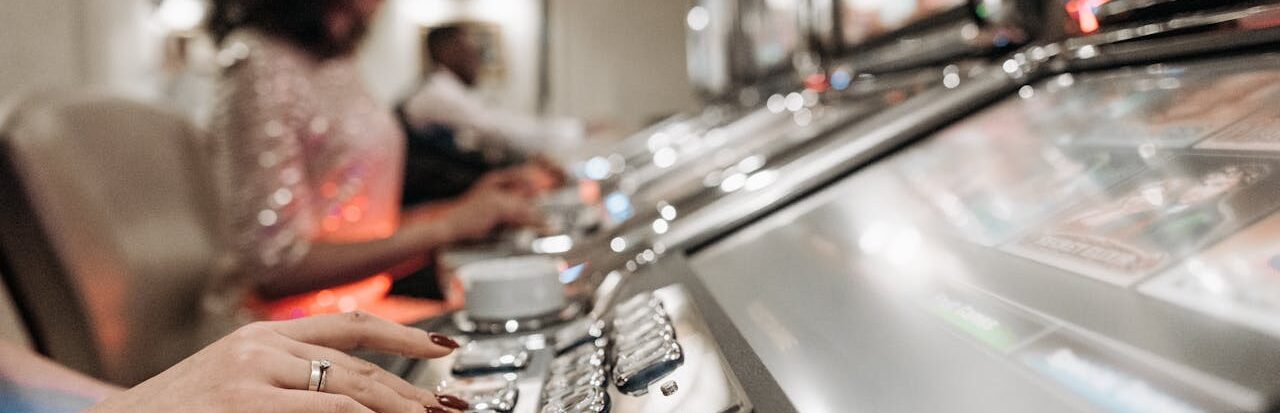
What Happened to Slot Games That Made Them Start Looking Like Video Games? Developers Have a Specific Strategy
Visit the MIT Press shop
Slot games did not suddenly wake up one day wearing the clothes of video games. The change came from a clear design choice. Developers saw that players were already used to rich screens, animated worlds, reward loops, character arcs, and small moments of control. So the old slot format, with reels at the center and little else around them, began to stretch.
The Reel Became a Game Screen
The biggest change came when developers stopped treating the reel grid as the whole product. In older formats, the reel was the attraction. In newer formats, the reel is often just the control panel for a wider scene. A fantasy slot may frame the reels as a magic gate. A crime-themed slot may turn bonus symbols into clues. A sci-fi slot may make the grid feel like a cockpit display. The result is still a slot, but it now borrows the visual grammar of video games.
This is especially clear in the online slots for real money gameplay, where the screen has to do a lot of work fast, while convincing the players that their experience is as real. The game has to create its own sense of place inside a browser or mobile screen. Developers answer that challenge with animation, music cues, layered backgrounds, and symbols that behave like game objects rather than flat icons.
The strategy starts with a theme. A strong theme gives the player a reason to care about what they are seeing between spins. Then comes the loop: base game, tease, trigger, bonus, reward, return. That loop is close to what video games do with levels, checkpoints, loot, and boss moments. A slot cannot become a skill-based adventure without changing what it is, but it can use the feeling of progress. That is where designers who understand games become useful.
Generally, online slots often feel closer to mobile games than to old fruit machines. The developers are not trying to hide the gambling structure but to make the structure more readable, more themed, and more fun to watch. In that sense, the slot becomes a short-session game with a clear rhythm: spin, watch, react, and chase the next feature.
Why Slot Studios Borrow From Game Design
Modern slot studios borrow from video games because player habits have changed. People now expect screens to respond. They expect buttons to feel good, sounds to land at the right moment, and rewards to come with visual feedback. A basic win count is still useful, but a win count with a burst, character reaction, and clean sound cue feels more complete.
The size of the wider games audience helps explain the pull. A 2025 market outlook put global games revenue at $188.8 billion and the player base at 3.58 billion. Mobile alone accounted for $103 billion and 3.0 billion players, which matters because many slot sessions now happen on the same small screens where people already play puzzle, card, and adventure games.
| Game habit shaping slots | Current gaming signal | How it shows up in slots |
|---|---|---|
| Short mobile play sessions | 3.0 billion mobile players worldwide | Fast loading, clear taps, portrait layouts, quick bonus reveals |
| Love of progression | 3.58 billion global players | Maps, missions, collections, unlock-style bonus paths |
| Strong visual expectations | $188.8 billion global games market | Better animation, richer art, cinematic feature intros |
| Multi-platform comfort | PC and console still make up $85.8 billion | More polished sound, UI, and controller-like feedback on desktop |
This does not mean every slot must become a mini RPG. It means the design team now thinks in scenes, states, and feedback. The idle state has to look inviting. The spin state has to feel quick and legible. The near-feature moment has to build tension without confusion. The bonus state has to feel different from the base game, almost like entering a new level.
That is also why narrative has become useful. A slot story does not need hours of dialogue. It only needs enough shape to make the next event feel purposeful. A treasure hunt, a race, a heist, a monster encounter, or a journey through a map can give structure to repeated spins. Developers use story as a wrapper for rhythm. The math decides outcomes, but the theme decides how those outcomes feel.
The Future Is Smaller, Sharper, and More Interactive
The next step is not simply “more graphics.” Slots are already bright. The better direction is sharper interaction. This means cleaner bonus choices, clearer progress meters, smarter use of sound, and art that reads well on a phone screen. The winning strategy is not to copy video games completely. It is to borrow the parts that fit: feedback, pacing, world-building, and reward presentation.
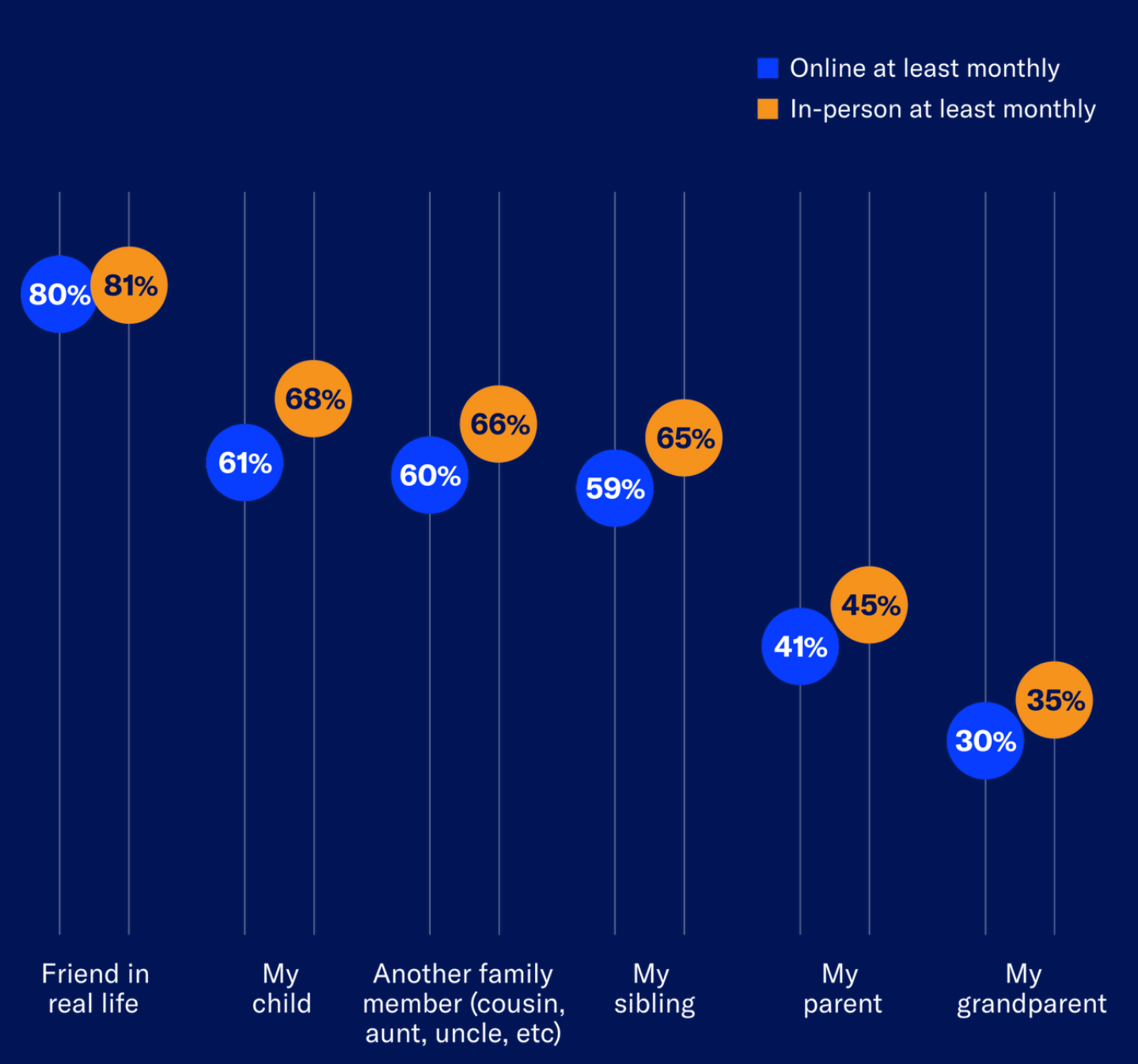
The Entertainment Software Association’s 2025 Global Power of Play report said it surveyed 24,216 players across 21 countries, with 66% naming fun as a top reason for play, and here is how the picture of who plays with whom looks like.
Slots are borrowing more from game design
For slot developers, that quote points to the real design lesson. People respond to play patterns. They like motion, cause and effect, anticipation, and small moments of surprise. Slots already had surprise built in. What changed is that studios learned to stage that surprise like game designers.
In Great Britain, the data to December 2025 showed online slots reaching 25.7 billion spins in the quarter, a new peak for that dataset, with average monthly active accounts rising 5% year over year to 4.6 million.
Visual identity matters more in crowded libraries
That volume makes visual identity important. When players can choose from large libraries, the slot that has a clearer world, stronger bonus promise, and smoother feel has a better chance of being remembered. This is where former video game artists, animators, and UI designers fit naturally. They know how to make a button feel responsive, how to guide the eye, how to signal a reward before it lands, and how to build a scene around repeated action.
The future slot will likely keep the reel grid, because that is the heart of the format. But around it, the game will keep borrowing from quests, maps, collectible systems, character animation, and cinematic reward screens. The result is not a slot pretending to be something else. It is a slot using the tools of modern game design to make chance feel more dramatic, readable, and fun.