Landscapes of Loneliness
You feel compelled to support great writing…

This column is a reprint from Unwinnable Monthly #197. If you like what you see, grab the magazine for less than ten dollars, or subscribe and get all future magazines for half price.
———
Architecture and games.
———
Landscape is about much more than merely scenery. They’re structures of meaning, effectively places in which presence, absence and imagination interact. Mountains, forests and plains aren’t just geographical features. These are emotional and intellectual environments that shape our understanding of the world, and ourselves.
The Legend of Zelda: Breath of the Wild and its more recently released sequel, Tears of the Kingdom, share similar but distinctly different visions of Hyrule, presented in their varying philosophies of landscape. The former is focused on creating a sense of solitude through absence, asking you to inhabit a world hollowed out by catastrophe. The latter emphasizes reconstruction, filling the very same world with activity.
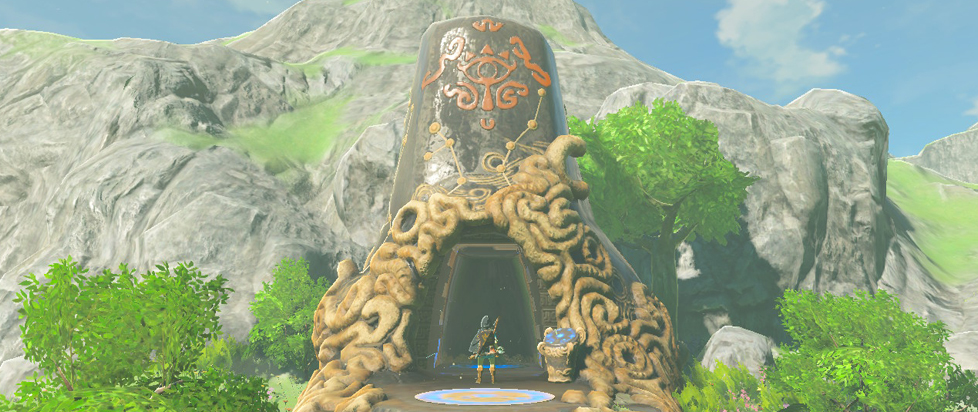
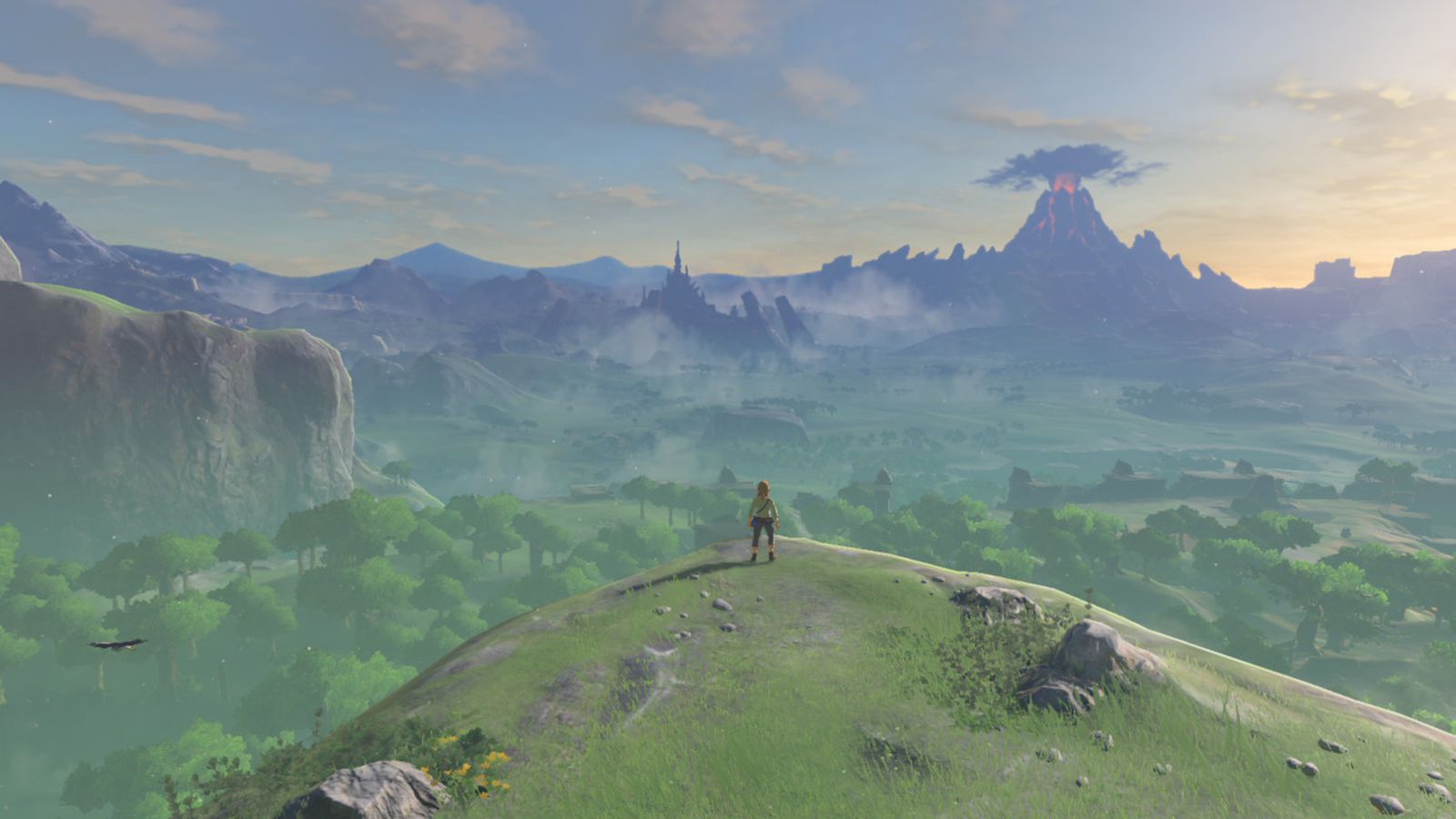
When you finally awaken after several centuries of slumber in Breath of the Wild, you develop or at least discover a specific relationship between yourself and your surroundings. Link emerges from the Shrine of Resurrection onto the Great Plateau and looks out across an immense expanse of mountains, forests, rivers and ruins. The scale is, of course, breathtaking, but the most striking part of the experience would have to be the quietude. There are long stretches where nothing happens. You’ll come across no characters or quests, only the wind moving through the grass or trees, distant animals wandering across open fields and ancient ruins sitting silently on the horizon.
The emptiness isn’t accidental. You aren’t exploring an open world so much as moving through the aftermath of a civilization. The landscape represents the physical expression of such absence. The fields and forests remain but the social structures that once gave them a sense of meaning have long since disappeared. Guardians rust in forgotten valleys. Temples ring hollow. Towns are filled with fragments. Hyrule is merely a memory.
The approach echoes a long philosophical tradition. William Wordsworth described landscape as a place where people confront the vast and impersonal nature of the universe. Martin Heidegger described landscape in terms of being in the world, effectively the setting where human existence becomes visible.
These concepts are clearly articulated in Breath of the Wild. The casting of your gaze across the landscape can be an existential exercise, given the recognition that Hyrule has existed and will continue to exist long after Link eventually disappears. The people that once filled the valleys have now vanished, leaving nothing more than traces of their existence embedded within the current environment. The result is a distinctive tone which is peaceful but also melancholic.
Tears of the Kingdom starts with the same landscape. The same mountains frame the horizon. The same rivers cut through the broad plains. The same towns can be found in familiar locations. The atmosphere is however strikingly different. People are seemingly all over the place, with travelers moving along the relatively busy roads, researchers pursuing their investigations and construction crews repairing damaged structures. The towns bustle with movement and conversation. The game is quite simply expressing something different.
Tears of the Kingdom is all about repair and restoration. The world is no longer suspended within the stillness of recovery, and its people have begun to rebuild. The landscape naturally reflects the change. You can see scaffolding rising around settlements. Infrastructure appears in regions that once were abandoned. The landscape is populated and purposeful.
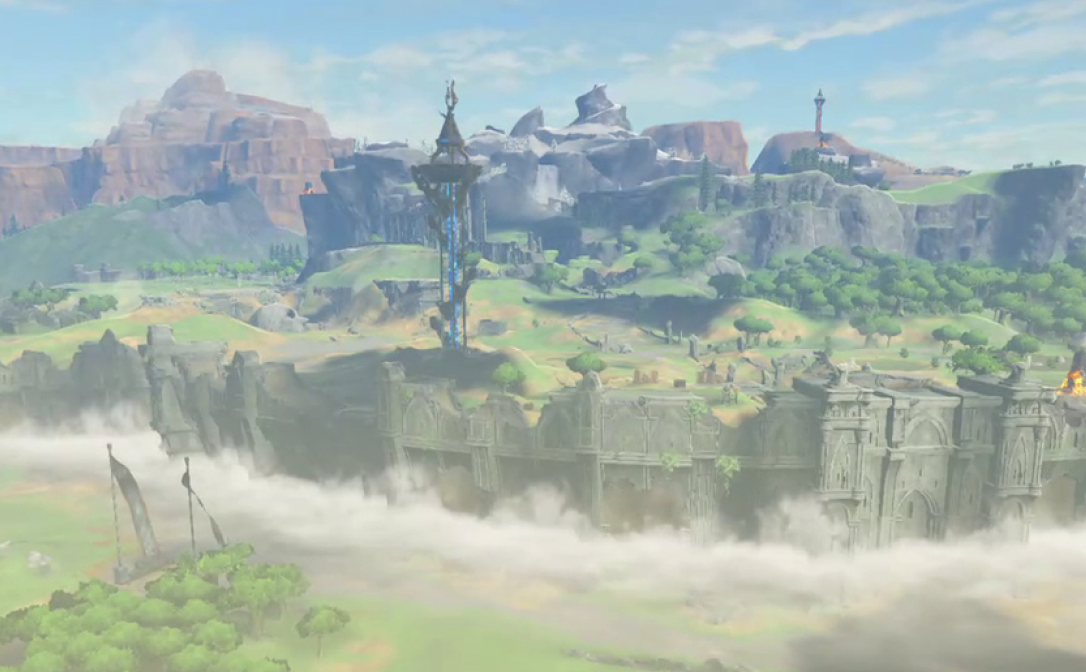
Your various abilities even reinforce the feeling. The construction mechanics which define the game encourage you to assemble structures and machines from scattered components, exploration intertwining with engineering. The landscape can be actively shaped, something which creates a subtle shift in its meaning. The world is no longer a place for solitary reflection but a site of collaborative activity, with communities reclaiming abandoned spaces and converting them into functional environments.
These different approaches to the landscape establish distinct relationships. Tears of the Kingdom is energetic and inventive while Breath of the Wild is calm and contemplative, making the journey itself meaningful. You can see all sorts of small details emerge such as distant birds, drifting clouds and sunlight fading on the grass. The game provides room to wander, and the landscape is less about individual activities than creating space for private reflection.
Breath of the Wild and Tears of the Kingdom both demonstrate that landscapes are never neutral. They carry implicit arguments about how people relate to the world around them. Breath of the Wild presents nature as enduring and largely indifferent. You’re left wandering through the game world as a witness to the rise and fall of a civilization. Tears of the Kingdom offers what could potentially be described as a more optimistic perspective. The landscape is a shared project where communities rebuild and reshape their surroundings.
These both have their own appeal, but there’s a reason why the earlier game continues to resonate so strongly. Breath of the Wild offers a relatively unusual experience, which is, of course, a world where silence matters more than sound. The game is ultimately a reminder that some of the most meaningful landscapes are the ones which leave room for solitude.
———
Justin Reeve is an archaeologist specializing in architecture, urbanism and spatial theory, but he can frequently be found writing about videogames, too.

Sign up for the forthcoming weekly Unwinnable digest!