Trading the News: A New Form of Gaming Entertainment
Visit the MIT Press shop
Watch sports long enough and you start predicting the next play. Follow politics and you catch yourself guessing the next headline. That instinct to forecast events now has a platform. Prediction markets turn news into something you can interact with, not just read.
Most people read the news and move on. Others treat it like a puzzle. You watch the same headlines but start thinking about probabilities. A policy announcement might pass. A team might win the weekend match. An economic number might surprise analysts. The moment you think that way, news stops being passive information. It becomes a system.
Gaming culture already works like this. Players read patterns, test strategies, and react to outcomes. News now attracts the same mindset. Prediction markets build a structure around that instinct. Instead of arguing online about what might happen next, you can place a position on the outcome and watch the market react.
The Moment News Starts Looking Like A Game
Spend time around gaming communities and you notice something familiar. Players treat systems as puzzles. You study rules. You test ideas. You learn by failing a few times.
Older games forced players to figure things out without help. No guides and no walkthrough videos to speedrun your way through it. People experimented and compared notes until the system made sense. That culture still exists today. Players enjoy working out the logic behind a game world.
That instinct carries easily into real-world events. Sports fans already debate probabilities before a match begins. Election watchers estimate outcomes long before votes appear.
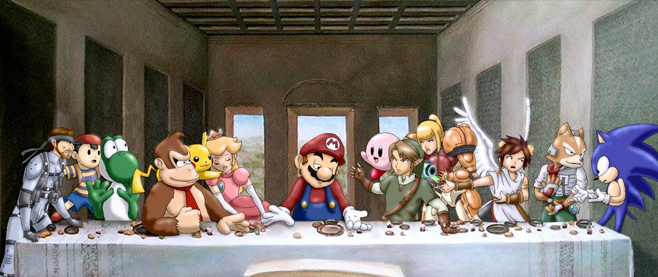
The culture of figuring out systems runs deep in gaming history. One example looks back at the days when players solved games together instead of searching for answers online.
Gaming Culture Moves Into Everyday Life
Gaming used to sit on the edge of mainstream culture. That boundary no longer exists. The audience grew too large.
About half the global population now plays videogames in some form. Mobile titles reach millions of players who never owned a console. Streaming platforms built entire communities around watching others play.
The cultural shift is simple to see. Games now shape the way people think about systems and outcomes. A lot of players learn probability through game mechanics long before they open a finance app.
When millions of people grow comfortable reading systems this way, the jump into prediction markets feels natural.
Turning Headlines Into Tradeable Outcomes
Prediction markets take a simple idea and build a platform around it. Instead of guessing what might happen, you trade contracts linked to real-world events.
Each contract represents a specific outcome. The contract usually settles at $1 when the event happens and $0 when it does not. Traders buy and sell those contracts as expectations change.
The price becomes a probability signal. A contract trading at $0.60 implies roughly a 60 percent chance that the event occurs.
Economists study these markets because they often aggregate information well. Participants bring different knowledge into the market and prices adjust as people react to new information.
The system looks simple on the surface. Behind the scenes it behaves like a small information market reacting to headlines.
Event Markets Begin to Attract Real Capital
Prediction markets remained a niche idea for years. That changed as technology improved and regulators began paying attention to the model.
One platform that pushed the concept into the public eye is Kalshi. The company launched in 2018 and operates as a regulated exchange focused on event contracts. Traders buy positions tied to real-world outcomes ranging from economic data to weather forecasts.
Investors have taken notice. A June 2025 funding round valued Kalshi at $2 billion after the company raised $185 million in new capital.
Numbers like that show serious interest in the model. The market for interactive information platforms is still young but it is attracting attention from both traders and technology investors.
Where The Public Meets Event Trading
Prediction markets feel unfamiliar at first. The structure becomes clearer once you see the exchange model.
Participants trade contracts connected to specific outcomes. Prices move as traders react to news or new data. The contract resolves when the event finishes and the platform pays out based on the final result.
A simple breakdown of the platform structure on Casino.org explains why Kalshi is defined as an exchange. The structure creates an unusual mix of finance and entertainment. Traders read headlines, form a view, and watch the price respond as others join the market.
News Consumption Becomes Interactive
News once flowed in a single direction. A broadcaster spoke and the audience listened.
Digital platforms changed that relationship. Readers respond instantly through comments, social feeds, and online discussions. Prediction markets add another layer to that interaction.
Instead of reacting with opinions, participants trade positions tied to real events. A headline arrives. Traders adjust their contracts. Prices move again.
You still read the news. The difference is that the story now lives inside a market where expectations update minute by minute.