Watching Weapons

This column is a reprint from Unwinnable Monthly #193. If you like what you see, grab the magazine for less than ten dollars, or subscribe and get all future magazines for half price.
———
Elsewhere, here.
———
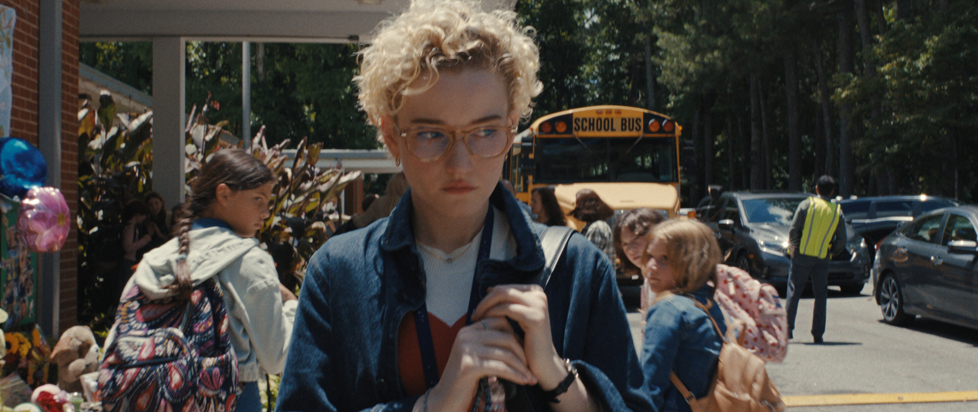
Early in the recent movie Weapons, a bereaved bulldog of a father demands to know whether the elementary school principal has done his due diligence on the teacher he thinks knows something about his son’s disappearance. Does he know that she was fired from her last job for inappropriate conduct? (Yes, but not with a student). Does he know about the DUI?
He is strongly motivated, but I think this would resonate with many teachers who haven’t been implicated in mysterious events. Teachers are facing repercussions for their “adult” side hustles, but they are also being taken to task for letting their students become aware that they have been on dates in their lives. Driving drunk is reckless and selfish, but provided she is not drunk or hungover to the point of incapacitation in the classroom, it does not have much to do with teaching children.
And here it goes the other way. There was a viral TikTok recently where a teacher listens to his students complaining about having to write a paragraph. I didn’t watch it because, as a former bad student, I also spent high school in a panic about needing to write a paragraph and so these kinds of videos make me sad, but there are many of these. Some are sweet, some are smug and condescending; I don’t like any of them. I don’t think teachers should be filming their students even if they’re anonymized. I do like when teachers participate in filmed sketches with their students. The problem is not the camera, and it’s not the specter of inappropriateness, it’s the culture of surveillance that has strained the already tricky tripod of power and control between teachers, students and parents. Whether or not these videos are staged is irrelevant, as the threat of being filmed without your knowledge is enough to inhibit empathy, spontaneity and curiosity. We can see this even in teenagers being surveilled with their consent, by their parents or even their peers.
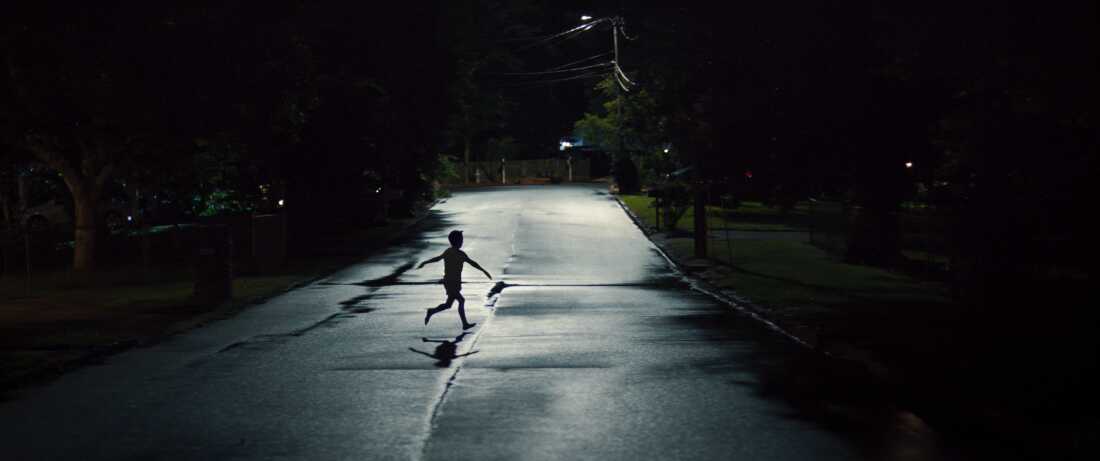
For a while I thought this might be what the movie was going to be about, but it isn’t really. In his brief review of Weapons, Richard Brody calls the film’s thematic ambitions a, “road to nowhere,” writing that: “Weapons forecloses such inner reverberations and outward implications by its rigid adherence to plot and to superficial effect.” I think this is what I meant when, doing my post-viewing oral review, I told my husband that it was interesting that the movie turned out to not really be about anything. Unlike Brody, I don’t necessarily see this as a loss, in that I enjoyed the movie plenty, and found enough pleasure in its structural trickery to be worth a watch.
But while the movie isn’t ultimately about the horror of observation and the joys of privacy, of being a whole person by means of fracturing – surveillance is ultimately an important driver of the plot, if not the terror. The father triangulates the approximate location of the missing children through ring camera footage, which he also watches ritualistically. The hapless addict keeps getting noticed at the worst possible time, first as he’s attempting a break-in, but later as he’s trying to file a police report. Everyone is watching each other but very few are keeping an eye out.
To be fair: the teacher is not behaving appropriately. She tries to talk to the one boy in her class who did not go missing, several times, despite being told that she might re-traumatize him by doing so, despite his screaming in her face not to talk to him. She escalates the situation, sleeping in her car outside of his house and peeking in through his windows. Pretty bad stuff! Although ultimately justified by the discovery that [big spoiler] he is being held hostage by a witch, and all the missing children are in his basement. More than that though, she may be justified by being the only one in the movie who really sees, amidst all the looking, a little boy without an adult to talk to.
———
Natasha Ochshorn is a PhD Candidate in English at CUNY, writing on fantasy texts and environmental grief. She’s lived in Brooklyn her whole life and makes music as Bunny Petite. Follow her on Instagram and Bluesky.