Why Microtransactions Changed How We Play Online Games
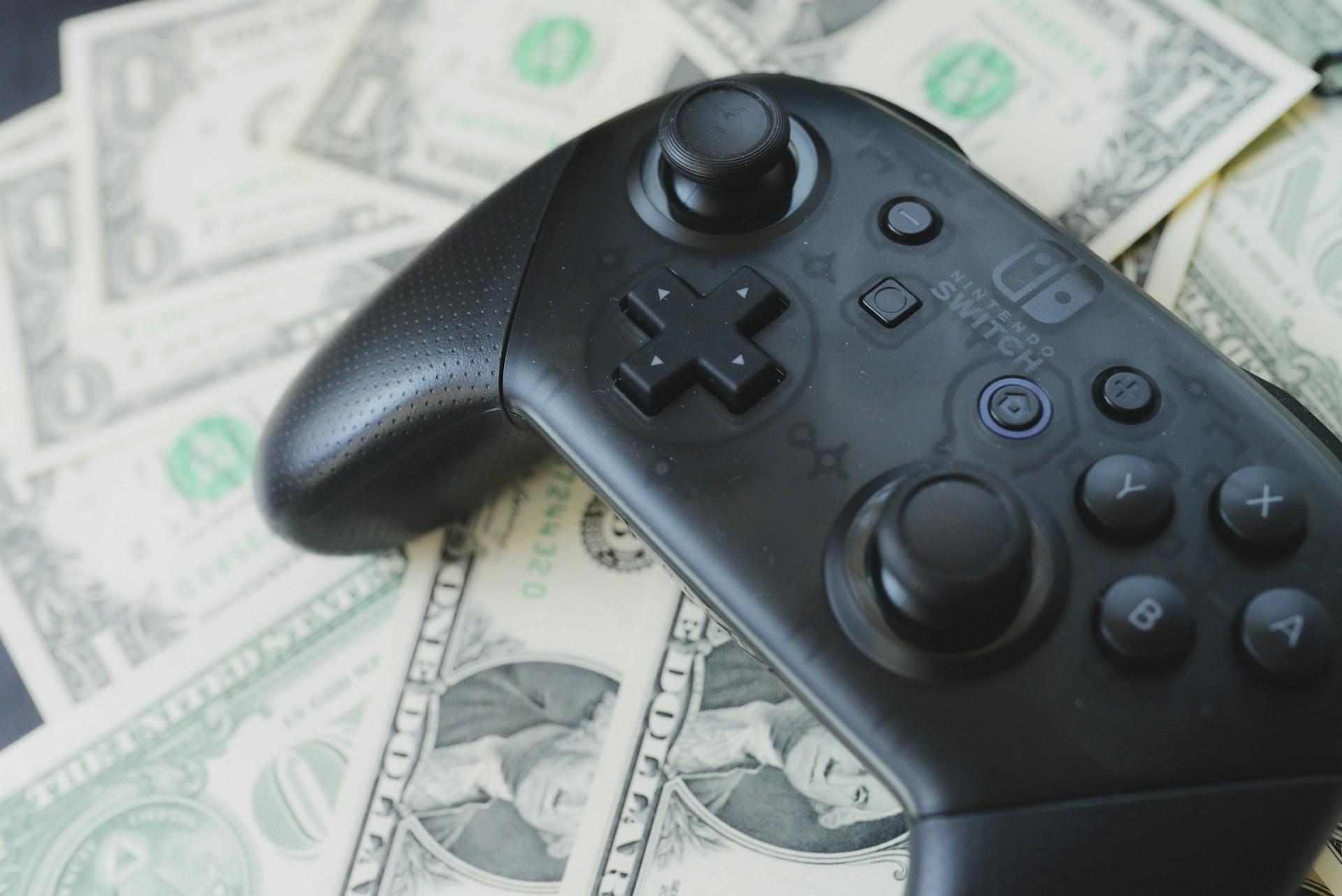
By the early 2000s, online platforms began experimenting with selling add-ons and extra features. What began as optional downloads quickly turned into regular opportunities for players to pay for skins, character outfits, weapons, and other cosmetic upgrades. were offered in exchange for a fee. Companies realized that even a small cost, if purchased by enough people, created large profits.
This was never only about the money. It adjusted how games were made. Developers started planning releases around ongoing revenue rather than just the one-time purchase price. That meant players weren’t only buying a product; they were stepping into a service that kept asking for attention and spending.
How Demo Versions Introduce Players to Microtransactions
A demo version of a game plays a much bigger role than you’d think when it comes to microtransactions. It works as a free or limited-access preview that gives players the chance to test game mechanics without paying first. By trying out the basics, players can get comfortable with the experience and decide later if they want to spend money once the premium features unlock.
For example, casino-style titles often highlight the usefulness of demos. The Jackhammer 2 slot demo lets people try for free, testing out the design, pacing, and rewards in a risk-free setting. Since this specific slot comes with 5,6,7, and 8 reels, as well as bonus features like free spins depending on the reels, the demo version allows players to familiarize themselves with the bonus features, the different slot symbols, and most importantly, the game rules.
Demo modes in games like the slot example are very much like a trial run that builds curiosity and keeps interest high, which eventually results in real-money gaming or in-game purchases being far more natural. Gamers get to enjoy familiarising themselves with the game, and demo modes provide gamers with the opportunity to see what upgrades or features might be worth paying for.
How demos influence microtransactions include:
- Shows the game’s value: Demos show what kinds of upgrades, bonus features, or add-ons can be unlocked, increasing the chance that players will see those extras as worth buying.
- Reducing hesitation: Since there’s no upfront cost, demos build trust and lower resistance to future spending.
- Encouraging investment: Once players feel engaged, microtransactions offer a way to expand or personalize the experience.
- Serving as marketing tools: Demos attract larger audiences, creating more opportunities for later conversions into paying users.
- Balancing fairness: A well-structured demo gives enough access to feel rewarding without pushing players too quickly into paying.
For developers, demos act as both an introduction and a funnel. They create goodwill by offering a no-risk trial, while also laying the groundwork for ongoing revenue. By giving players a taste first, companies improve their chances of turning that interest into long-term engagement supported by microtransactions.
Cosmetic Purchases and Personal Identity
Cosmetics are one of the most common types of microtransactions. They do not change the way the game works but allow players to stand out. Outfits, weapon skins, or even small changes like emotes give a sense of uniqueness. This personal touch has proven powerful, as many players value how they present themselves as much as how they perform.
These small items help create a digital identity. People remember the look of rivals and allies. Just as in real life, clothing and style send signals, and players enjoy expressing themselves. What seems like a small detail adds to the social side of gaming, thriving on both performance and appearance.
Competitive Edge and Pay-to-Win
Not all microtransactions are cosmetic. Some offer advantages that can affect competition. Stronger weapons, faster upgrades, or extra health can give paying players an edge. This system has created the phrase “pay-to-win,” where success seems linked to spending.
While this does attract some form of criticism, it also ensures profits. Some players want the fastest route to victory, and they are willing to pay for it. Others accept the challenge of working without spending, which creates tension within communities. Debates around fairness or whether it is a pay-to-play model continue, yet the business model remains profitable.
Seasonal Content and Live Service
Microtransactions created opportunities for seasonal updates and live service models. Games are no longer released once and left untouched. Instead, they receive regular updates that come with new features, rewards, and even extra challenges. Each season comes with unique items that often encourage players to return.
This system relies heavily on microtransactions. While the game itself may stay free or low-cost, the constant flow of new content keeps people spending. Battle passes, seasonal tickets, and rotating shops offer reasons to pay again and again. For companies, this guarantees steady revenue. For players, it means their hobby feels alive and ongoing.
Streaming, Social Media, and Microtransactions
Streaming platforms and social media added another layer. Players want to look unique while broadcasting or sharing clips. A rare outfit or exclusive item makes content more eye-catching. This drives more interest in purchases, as players know their investment will be seen by many.
Communities form around certain items or looks, which gives them value beyond the digital product itself. The act of spending becomes part of the culture, as people show off new collections online. Microtransactions keep this social cycle active, linking personal pride with financial commitment.
Changes to Game Design Around Spending
Microtransactions changed the design from top to bottom. Developers now think of games as ongoing services. The base version is just the start, with revenue planned to flow from extras. Level designs, reward systems, and even difficulty settings are sometimes created with purchases in mind.
For example, a game might make progress slow unless you buy speed-ups. Or it may tempt players with random drops that can be earned faster by paying. These small choices influence the rhythm of play. While some see this as unfair, others view it as simply part of the new digital market.
Economic Impact on the Industry
Microtransactions created billions in new revenue streams. They kept many studios alive and pushed some to global fame. Free-to-play titles with strong purchase systems often out-earn full-priced games by large margins.
This revenue has also changed hiring and investment across the industry. Companies plan entire projects around how purchases will be structured. Investors back studios with proven records of strong microtransaction sales. It has become the backbone of the business, not just an extra.
Player Reactions
Player opinions remain divided. Many enjoy the flexibility of deciding how much to spend and when. Others dislike the constant prompts and feel the pressure to pay. Forums and reviews often highlight these tensions. Yet even critics often continue playing, which shows how deeply the system is tied to the experience.
Despite complaints, microtransactions have proven too effective for companies to ignore. They balance player frustration against the need for steady profits. This ongoing debate shapes how new games are launched and sustained.
Conclusion
Microtransactions changed online games more than any other feature in recent memory. They shaped design, culture, and the business side all at once. What started as small add-ons became the main way the industry earns money. For better or worse, they define how we game today.