Why the Super Bowl Is the Greatest Pop Culture Spectacle in America
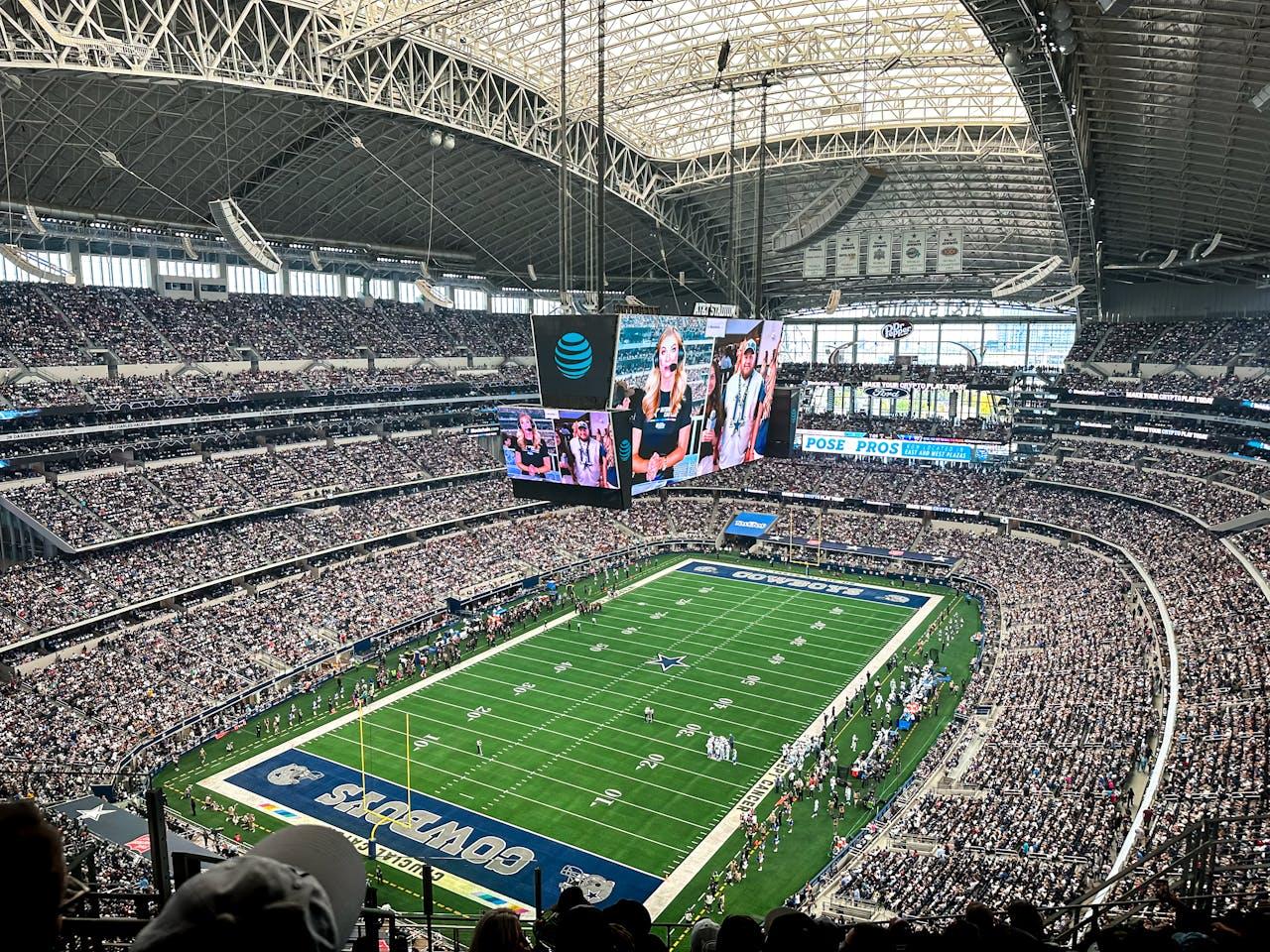
You watch the Super Bowl. Your mom watches the Super Bowl. Your grandma watches the Super Bowl.
It’s the sort of event where details are unimportant for most people. You don’t need to know who is playing.
You might wonder if Taylor Swift will be making an appearance, but you care very little one way or another about the triumphs and tribulations of her boyfriend, Travis Kelce. Or maybe you do care. Maybe, after learning that Kansas City would feature once again in the Super Bowl, you began to Google things like “how to bet on sports in Missouri.”
Either way, you, along with millions of other people around the world, are glued to the screen. Why is that? In this article, we talk about how the Super Bowl has managed to become bigger than the NFL.
Overview
For context, it is important to keep in mind that the NFL is the most popular sport in the country and by a pretty considerable margin. Even normal games attract around 17 million viewers.
Regardless, the Super Bowl itself is bigger than any other game. This last year, more than 100 million people tuned in to watch. You can bet that a healthy majority of them know potentially nothing about the teams involved, even despite the fact that Kansas City at least has grown beyond its base audience, thanks in no small part to the frequent Taylor Swift sightings at games.
Why is it that people watch the Super Bowl when they don’t care about the NFL? There are probably a few reasons.
Product-Driven Growth
In the world of business, there is a category of marketing where a product perpetuates its growth. A really good example is Zoom or Slack, software programs that require customers to do marketing on behalf of the company. Let’s say you’re a decision maker at a major business who loves Zoom.
Guess what? Everyone working beneath you needs to download it onto their computer. The Super Bowl is obviously slightly different in that no one needs to watch it. But they are inclined to because, like the Kentucky Derby, the event has become less about the contest and more about the experience.
People have Super Bowl parties. They talk about the outcome of the game on Monday, maybe slightly hungover and more inclined than ever toward the water cooler at work. People watch, partially, to feel in the loop.
For just 3 hours of their time, they can enjoy appetizers in the company of their friends, maybe drink a little bit more than they usually would on a Sunday afternoon, and have something to talk about at work the next day. It’s an easy win.
The Event Brands Itself in Ways That Extend Beyond the Game
Another thing to keep in mind is that the Super Bowl as a brand is not necessarily specifically about football. It isn’t, right? On the one hand, there are analysts and experts talking endlessly for days beforehand about the likely outcomes. People place bets even when they aren’t particularly aware of the game itself.
And legions of commercials and advertisements direct your attention toward the 2 teams that are to be competing. And yet the average viewer knows that this is only part of the action. They come for the commercials and the halftime show, of course.
Every bit is part of an experience. These always unique, star-studded performances are sure to generate at least as much conversation as the game itself.
The Super Bowl halftime show evolved from simple marching band performances in the 1960s to major pop culture spectacles after the NFL decided to compete with other networks’ counterprogramming by featuring major recording artists starting in the early 1990s.
There are always can’t-miss moments at the halftime show that live sometimes in infamy – see Janet Jackson. Long after the game is over and the final scores are forgotten. Interestingly enough, viewership of the Super Bowl actually drops off the moment the halftime performer finishes up, usually by a factor of 5-7%. That may not sound like much, but it is a number that includes millions of people.
Is There a Lesson in This?
Ultimately, a Super Bowl that satisfies more than just the need to see good football is productive on multiple levels. It generates boatloads of money, it gets people together, and it creates memorable moments that reach beyond the political divide and unite people around a common culture.
Is it a little bit ridiculous and excessive, and sometimes maybe downright frustrating? Sure. But until the Super Bowl stops generating tens of millions of dollars, it’s only going to continue to grow.