Why Do Some Characters Feel Like They Were Born for Battle?
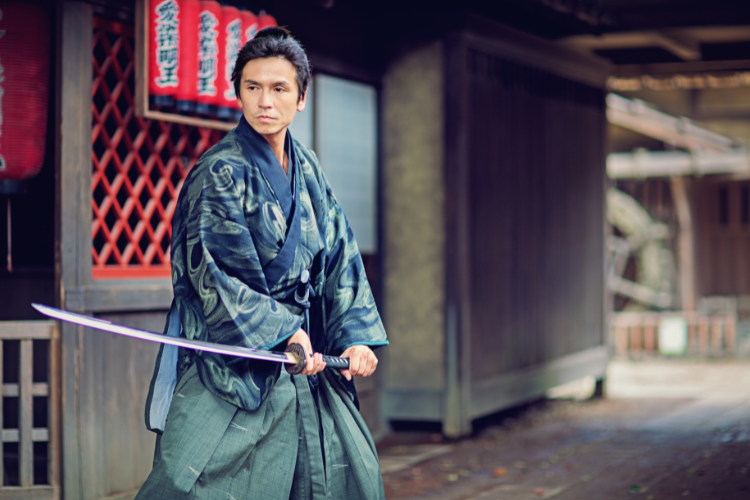
Ancient myths and modern blockbusters alike have certain characters that feel like they were destined for combat. They enter the battlefield with an almost supernatural level of skill, strategy, and presence, making audiences believe they were born for battle. But what makes them so compelling? Why do these warriors resonate so deeply with us?
The answer lies in history, psychology, and storytelling traditions. The best battle-ready characters are physically strong and embody deeper values like discipline, honor, and perseverance. Let’s discuss why some characters feel like they were made for war and what makes them unforgettable.
Why The Warrior Archetype Stands the Test of Time
Across cultures, the warrior is one of the oldest and most enduring character archetypes. Warriors are skilled fighters that symbolize resilience, leadership, and sacrifice. This archetype remains powerful because it taps into universal human struggles: the need to fight against challenges, protect what matters, and push beyond limits.
Some key elements that define a great warrior character:
- A Code of Honor: True warriors often follow strict rules that guide their actions; their code sets them apart from ordinary fighters. Their honor dictates how they engage in battle, ensuring that their fights are not driven by mere violence but by a deeper purpose.
Without this code, they risk losing their identity, as honor becomes the foundation upon which their reputation and self-worth are built. This element adds depth to their character, making them more than just ruthless combatants.
- Mastery of Combat: They wield weapons and become one with them. Their skill is a result of relentless training and dedication. True warriors do not rely on brute force alone but refine their technique over time, ensuring that every move is precise and calculated.
This level of expertise separates them from amateur fighters, making their battles more engaging and awe-inspiring. Their mastery also allows them to stand against opponents who may have superior numbers or raw strength but lack the same level of discipline.
- Mental Strength: Physical power means nothing without discipline. Great warriors have unshakable focus, making them formidable opponents. This mental fortitude enables them to remain calm in high-pressure situations, ensuring
they do not act impulsively or irrationally. Their ability to strategize under stress often turns the tide of battle, allowing them to defeat opponents who may be physically stronger but mentally weaker.
- Sacrifice and Duty: They often carry deep personal burdens but fight for something greater than themselves. Their commitment to their cause is unwavering, usually leading them to make difficult choices that require them to set aside their desires.
Many of these characters lose loved ones, suffer great pain, or face betrayal, yet they continue to fight because their duty outweighs their suffering. This theme of sacrifice makes them both tragic and admirable figures, reinforcing the idea that true warriors put the needs of others above their own.
- An Unbreakable Will: They refuse to back down even when the odds are against them. Their determination allows them to push through exhaustion, injuries, and setbacks, proving that their strength is not just physical but deeply rooted in their spirit.
This trait often leads to their defining moments, as they achieve victory through sheer perseverance rather than natural talent alone.
Born or Made? The Truth About Battle-Ready Characters
Some characters are raised in a warrior culture, while others are forged by circumstance. The difference between being “born for battle” and becoming a warrior often depends on the character’s backstory.
Characters Who Are Raised as Warriors
Some of the most iconic warriors in fiction come from societies where combat is a way of life. These characters don’t just learn to fight; they grow up in an environment where battle skills are necessary for survival.
Examples:
- Raised in a Warrior Society: These characters grow up in cultures that emphasize combat training from childhood. Think of Spartan warriors trained from a young age to fight with precision and strategy. They develop skills not just through formal training but through the necessity of survival, facing real combat situations before they even reach adulthood.
- Inherited Bloodlines: Some warriors are believed to be destined for greatness because they come from a long line of fighters. Their ancestors were battle-hardened, and they carry that legacy forward. This expectation places a heavy burden on them, as they must prove themselves worthy of their lineage. Often, these characters struggle with the pressure of living up to their family’s reputation, making their journey both compelling and relatable.
- Strict Disciplinary Training: They undergo brutal training that pushes them beyond their limits, turning them into warriors whether they want it or not. This type of training often strips them of their individuality, molding them into the perfect combatants. While they gain unmatched fighting skills, they may also lose aspects of their humanity.
The Importance of Weaponry and Combat Mastery
A warrior is only as good as their weapon and ability to wield it. Whether they use swords, bows, or bare hands, mastery of their chosen weapon is a key trait of a battle-ready character.
Key Elements of a Warrior’s Combat Skills:
- Weapon Proficiency: The best fighters are not just good with weapons; they treat them as extensions of their bodies.
- Tactical Intelligence: Brute strength means nothing without strategy. Smart warriors analyze their enemies, adapt, and strike with precision.
- Training and Rituals: Many great warriors follow strict training regimens, pushing their physical and mental limits to master their craft.
- Symbolic Weaponry: Some weapons are more than tools for battle; they represent the warrior’s legacy, family honor, or personal journey.
For example, traditional Japanese warriors didn’t just wield swords—they respected them as a reflection of their spirit. For those who appreciate the artistry of such weapons, samuraiswordstore.com offers a glimpse into the craftsmanship and legacy of authentic warrior blades.
Why These Characters Resonate With Us
Battle-ready characters hold a special place in storytelling because they reflect qualities we admire. Their struggles and victories inspire us to push through our own challenges, even if we’re not wielding weapons in combat.
Reasons Why We Connect With Warrior Characters:
- They Overcome the Impossible: Warriors face overwhelming odds but never give up, reminding us that resilience can lead to victory.
- They Have Clear Purpose: Warriors fight with conviction, unlike many modern protagonists who struggle with direction.
- They Represent Strength and Control: In a chaotic world, a well-trained fighter represents discipline and self-mastery.
- They Embody Transformation: Many warrior characters start as ordinary individuals and become legends through struggle and perseverance.
Conclusion
Characters who seem born for battle don’t just fight for the sake of fighting. They represent discipline, resilience, and the pursuit of mastery. Their stories resonate with us because they mirror our own struggles.
The warrior archetype has existed for centuries, and it’s not going anywhere. As long as there are stories to tell, characters will always fight for honor, survival, and something greater than themselves.