Top 5 Most Creative Portrayals of Gambling on Screen
Visit the MIT Press shop
Gambling has long captivated filmmakers, serving as a rich backdrop for stories of risk, reward, and human nature. The allure of the gamble, with its inherent tension and unpredictability, mirrors life’s uncertainties, making it a compelling theme in cinema.
Exploring these portrayals offers both entertainment and insight. Let’s delve into five standout films that creatively depict the world of gambling.
“Uncut Gems” (2019)
This film doesn’t just show gambling, it pulls you into the chaos of it. Howard Ratner, played by Adam Sandler, is a New York jeweler who’s always chasing his next big win. He becomes obsessed with a rare opal, seeing it as his way out of trouble.
Every decision he makes feels like a gamble, whether it’s a bet, a deal, or a risky promise. What makes Uncut Gems special is how it puts you in Howard’s shoes. You feel the stress and rush as if you’re the one placing the bets.
The fast pace, loud atmosphere, and tight shots make everything feel intense. There are no shiny casinos here. Just a man stuck in his own mess, always hoping the next move will save him.
“Tazza: The High Rollers” (2006)
Unlike most Western films about gambling, “Tazza” explores a deeply rooted cultural version of the game through Hwatu, a Korean card game filled with bluffing and hidden strategy.
The main character, Go-ni, isn’t driven by greed alone. He’s trying to reclaim something that was stolen, his dignity, his peace of mind, and his place in the world.
What makes this film creative is how it shows gambling like a form of training or discipline. Go-ni learns from a master, discovers hidden tricks, and steps into a world where cards are more than just chance, they’re tools to win.
“Casino” (1995)
Martin Scorsese’s Casino provides an unflinching look into the glitzy yet perilous world of Las Vegas casinos during the 1970s and ’80s. The film dives into the dark realities of old-school gambling empires, where loyalty, power, and money collide behind velvet ropes and blinking lights.
Today, players who enjoy the atmosphere of casino games, but prefer a safer and more accessible way to play online, have other choices. Tested and reviewed by sweepstakescasino.com, these platforms offer a curated selection of reputable sweepstakes casinos. Some even feature film-themed casino games like Heist Bank Rush.
The story follows Sam “Ace” Rothstein, a smart man who thinks he can control everything. He wants to run a fair casino, but the world around him is full of crime and lies. What makes Casino powerful is how it shows that gambling, like life, can’t always be controlled.
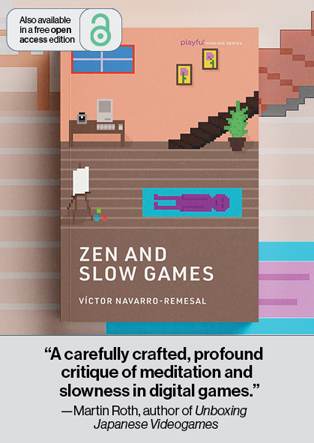
Much like how Jay Castello explores the emotional depth of imagined spaces in Worldbuilding, these films use setting to reflect the stakes and psychology of gambling itself.
“California Split” (1974)
This film captures the everyday rhythm of gamblers who aren’t chasing empires or opals—they just want to stay in the game.
Charlie and Bill, the main characters, move from poker games to racetracks not just for money, but for the excitement. What makes California Split stand out is how real it feels. There’s no big win at the end, just the ups and downs of two people caught up in the gambling life.
The film isn’t about success, it’s about addiction dressed up as friendship. Altman’s loose, improvisational style gives the film a documentary-like realism, which helps viewers see how gambling seeps into every part of a person’s life.
“God of Gamblers” (1989)
While other films portray gambling as a destructive force, “God of Gamblers” goes the opposite way, it makes it mythical. Ko Chun, the main character, is less a man and more a legend. He doesn’t just play cards and he bends probability with his hands.
After he loses his memory and becomes childlike, the film shifts into something playful and weird. But even then, his gambling instincts remain.
This film stands out because it makes gambling feel almost magical. It mixes serious card games with funny moments, turning the story into something playful and unique. Instead of showing gambling as a problem, it treats it like a special skill.
The Last Bet: Reflecting on Gambling’s Cinematic Allure
Each of these films treats gambling not just as a game, but as a mirror. Whether it’s addiction, redemption, power, or survival, what characters put on the line is always more than money. And that’s why gambling keeps showing up in stories that matter. It’s not about the jackpot. It’s about what you’re willing to risk to feel alive.
Just as filmmakers reshape the gambling genre with fresh energy, other creators revisit old stories in new ways, like how the Buffy the Vampire Slayer reboot explores familiar themes through a modern lens.